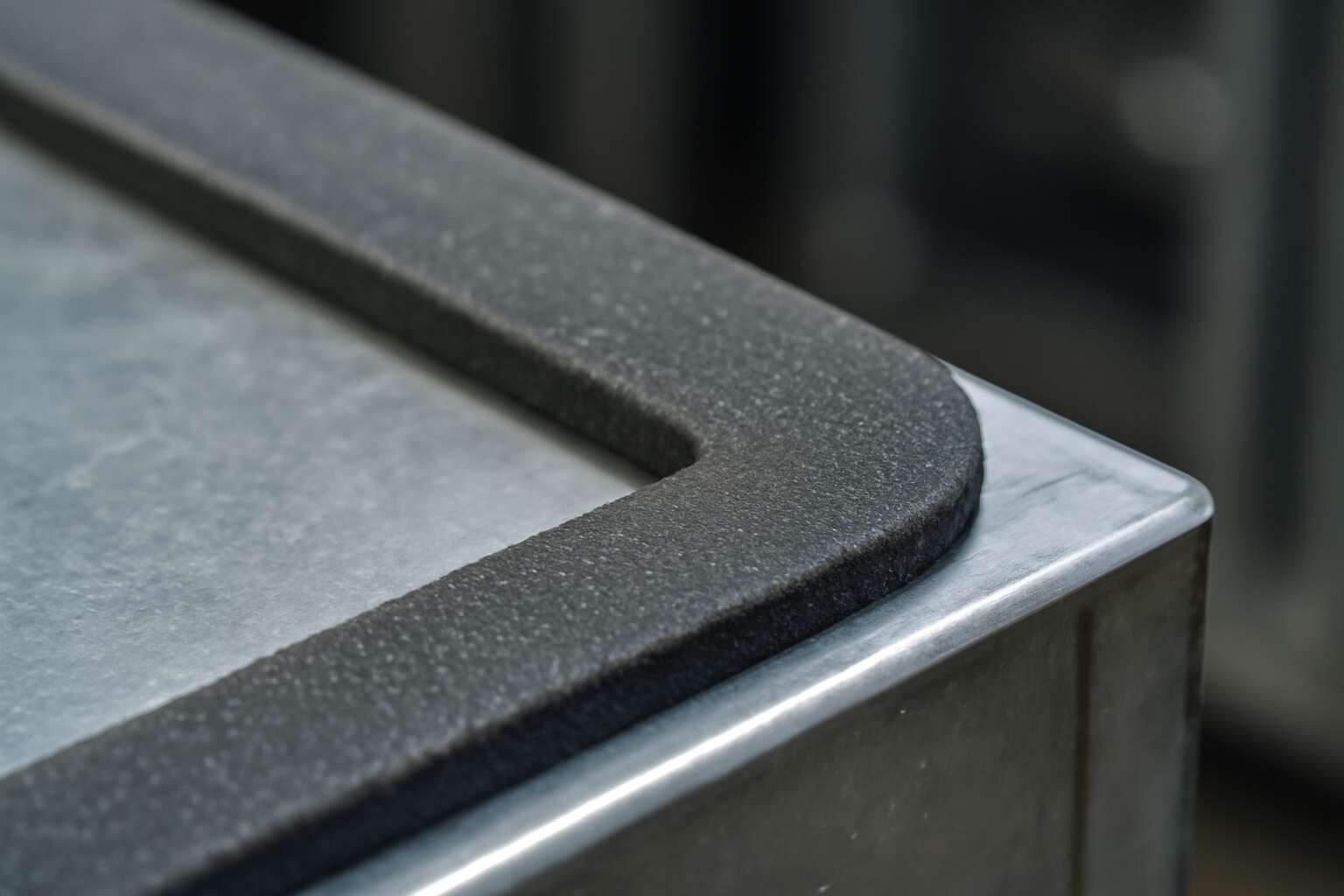
Understanding Adhesive Tape Gasket
Definition and Overview
In the shadowed corridors of industrial resilience, the adhesive tape gasket emerges as a silent sentinel, guarding against the encroaching chaos of leaks and infiltration. This unassuming strip of adhesive marvels with its ability to conform, sealing with a spectral precision that defies the chaos of thermal expansion and vibrations. Its essence lies in a delicate dance of materials—combining the pliability of rubber with the steadfast grip of adhesives—creating a barrier both invisible and invincible.
Understanding the true nature of an adhesive tape gasket reveals more than mere sticky strips. It is a fusion of engineering finesse and elemental resilience. Often overlooked, this gasket can withstand the harshest environments, from the scorching heat of South African deserts to the chilling depths of industrial cold. Its versatility makes it a vital component in sealing machinery, electronic enclosures, and even piping systems.
For those seeking durability, the choice of adhesive tape gasket involves considering factors such as:
- Temperature resistance
- Chemical stability
- Adhesion strength
Key Characteristics and Advantages
Within the realm of sealing solutions, the adhesive tape gasket stands as a testament to ingenuity—a harmonious blend of flexibility and steadfastness. Its key characteristics are not merely functional; they are poetic in their resilience. The ability to conform seamlessly to irregular surfaces makes it a marvel of engineering finesse, ensuring a tight seal even amidst the tumult of thermal expansion and vibrations. This adaptability transforms an ordinary strip of tape into an almost living barrier, capable of guarding against leaks with spectral precision.
What truly elevates the adhesive tape gasket above traditional sealing methods are its advantages. It offers exceptional chemical stability, resisting corrosive substances that would compromise lesser materials. Its high temperature resistance ensures enduring performance in the scorching South African deserts or icy industrial cold. Moreover, its adhesion strength is nothing short of extraordinary—remaining steadfast under pressure, yet gentle enough not to damage delicate surfaces. This combination of traits makes the adhesive tape gasket an invaluable asset in industries demanding durability and reliability.
Common Materials Used
Understanding the materials behind an adhesive tape gasket reveals why it is such a versatile sealing solution. The choice of material directly impacts its performance, especially in demanding environments like South Africa’s harsh climate. Common materials used include rubber compounds, foam substrates, and specialized polymers, each offering unique properties tailored to specific applications.
Rubber-based adhesives are prized for their excellent elasticity and resilience. They can adapt to surface irregularities while maintaining a tight seal. Foam tapes, on the other hand, provide superior cushioning and conformability, making them ideal for sealing uneven surfaces or joints. Polymers such as PTFE or silicone are often incorporated into adhesive tape gaskets for high-temperature resistance and chemical stability.
Here are some frequently used materials in adhesive tape gasket manufacturing:
- Neoprene rubber for durability and weather resistance
- Polyethylene foam for flexibility and compression
- Silicone for high-temperature applications
- PTFE for chemical resistance and low friction
By selecting the right material, industries ensure their adhesive tape gasket performs reliably under specific conditions. This careful choice of materials is what makes adhesive tape gaskets indispensable in sealing solutions worldwide, including South Africa’s industrial sectors.
Types of Adhesive Tape Gaskets
Silicone-Based Gaskets
Among the myriad options available for sealing solutions, silicone-based adhesive tape gaskets stand out as a marvel of innovation and reliability. Their unique composition allows them to withstand extreme temperatures, making them ideal for industries where thermal stability is paramount. The flexibility of silicone ensures a snug fit around complex contours, providing a seamless barrier that resists aging and weathering. In South Africa’s diverse climate, these gaskets offer unparalleled performance, maintaining integrity whether in the scorching sun or the biting cold.
What truly elevates silicone-based adhesive tape gaskets is their exceptional chemical resistance. They are impervious to oils, solvents, and ozone, ensuring longevity in demanding environments. For those seeking durability and resilience, these gaskets are often preferred over traditional materials. They also come in various thicknesses and adhesion strengths, allowing customization for specific applications. When precision and durability matter, silicone-based adhesive tape gaskets deliver a harmonious blend of flexibility and strength, ensuring that sealing needs are met with elegance and efficiency.
Rubber-Based Gaskets
Rubber-based gaskets crafted from high-quality adhesive tape offer a different dimension of sealing prowess. Their natural elasticity and resilience make them ideal for applications where movement and vibration are inevitable. Unlike their silicone counterparts, these adhesive tape gaskets excel in environments demanding moderate thermal stability, often found in manufacturing and automotive sectors across South Africa.
What sets rubber-based adhesive tape gaskets apart is their exceptional ability to conform to irregular surfaces, creating a tight seal that prevents leaks and contamination. This adaptability is crucial in industries where precision sealing is non-negotiable. They come in various forms, from soft rubber layers to reinforced composites, each tailored to specific needs. For those seeking a reliable, cost-effective sealing solution, rubber-based gaskets are often the unsung heroes—combining simplicity with durability.
- Ease of installation due to their flexible nature
- Strong adhesion to diverse substrates
- Effective sealing in dynamic environments
In South Africa’s diverse climate, the durability of rubber-based adhesive tape gaskets ensures they withstand the test of time—resisting wear from humidity, dust, and temperature fluctuations. Their resilience makes them indispensable in both industrial and commercial settings, providing peace of mind that the seal will hold regardless of the conditions.
Foam Tape Gaskets
Among the myriad forms of adhesive tape gasket solutions, foam tape gaskets stand out as the chameleons of sealing technology. Their porous, sponge-like structure allows them to absorb irregularities in surfaces, creating a cushion of snugness that is both resilient and adaptable. In South Africa’s bustling industries—from automotive manufacturing to intricate electronic assemblies—foam tape gaskets have become a trusted ally for those seeking a seamless seal.
What makes foam tape gaskets truly enchanting is their ability to combine ease of installation with unwavering durability. They adhere effortlessly to a variety of substrates, including metal, plastic, and glass, transforming the act of sealing into a straightforward, almost poetic process. Whether used to dampen vibrations or prevent leaks, these adhesive tape gaskets are often customized in thickness and density to meet specific needs.
- Exceptional conformability to uneven surfaces
- Strong adhesion to diverse materials
- Superior cushioning and vibration dampening
In a landscape where environmental factors such as humidity and temperature fluctuations threaten the integrity of seals, foam tape gaskets prove their worth by maintaining their resilience over time. Their lightweight yet robust nature makes them a versatile choice for South African industries aiming for both efficiency and longevity in their sealing solutions.
Viton and PTFE Tapes
Among the pantheon of sealing solutions, Viton and PTFE tapes shine like constellations guiding us through the night’s uncertainties. These resilient materials are not merely adhesives but guardians against the relentless assault of chemicals, extreme temperatures, and corrosive environments. In South Africa’s demanding industrial landscape, the choice of an adhesive tape gasket crafted from Viton or PTFE becomes a strategic decision grounded in durability and performance.
Viton, with its exceptional chemical resistance and high-temperature endurance, acts as a formidable barrier in sealing applications where other materials falter. Its elastic nature allows it to conform seamlessly to uneven surfaces, creating an impermeable seal that withstands the test of time. Meanwhile, PTFE tapes, celebrated for their low friction and non-stick properties, excel in environments that demand purity and resistance to aggressive substances. They’re often used in the pharmaceutical, food processing, and chemical industries—areas where precision and safety are non-negotiable.
- Chemical resistance
- High-temperature resilience
- Excellent dielectric properties
- Low friction and non-stick surface
Both Viton and PTFE tapes elevate the effectiveness of an adhesive tape gasket by ensuring seals that are not only robust but also adaptable to the complex demands of modern industry. Their unique properties forge a bond of trust—whether sealing a delicate electronic component or containing caustic substances—making them indispensable in South Africa’s industrial arsenal.
Specialty Gaskets for Specific Environments
Different environments demand tailored sealing solutions. Specialty gasket tapes are designed to meet these exact needs, offering enhanced performance where standard materials fall short. For instance, high-temperature industries in South Africa require adhesive tape gasket options that can withstand extreme heat without losing integrity. Likewise, corrosive environments demand materials resistant to chemicals and moisture, ensuring long-lasting seals even in harsh conditions.
For such scenarios, manufacturers develop specific gasket tapes, including:
- Heat-resistant tapes for furnace and boiler applications
- Chemical-resistant tapes for chemical processing plants
- UV-stable tapes for outdoor and solar panel sealing
These specialty gaskets ensure safety, durability, and efficiency. They are engineered to outperform generic solutions, providing an extra layer of protection where it matters most. In South Africa’s demanding industrial landscape, choosing the right adhesive tape gasket tailored for specific environments can make all the difference in operational reliability and safety.
Applications and Industries
Electronics and Electrical Enclosures
Within the intricate labyrinth of modern electronics and electrical enclosures, the role of adhesive tape gasket becomes nothing short of vital. These resilient seals are the silent guardians against environmental intrusion, ensuring delicate components remain protected from dust, moisture, and temperature fluctuations. In South Africa’s burgeoning tech sector, where rugged conditions often challenge equipment durability, the choice of a robust adhesive tape gasket can define the longevity of a device.
Industries that manufacture electrical enclosures rely heavily on these gaskets to maintain safety and compliance standards. From consumer electronics to industrial automation, the application of an adhesive tape gasket is both a technical necessity and a strategic advantage. Their ability to conform to complex shapes and surfaces simplifies installation while providing an airtight, watertight barrier. The versatility of these gaskets makes them indispensable, especially when sealing enclosures exposed to unpredictable environmental conditions.
Automotive and Transportation
In the dynamic world of automotive and transportation industries, the importance of a reliable adhesive tape gasket cannot be overstated. Vehicles, whether land, sea, or air, are constantly exposed to a barrage of environmental challenges—from dust storms in South Africa to torrential rain and temperature extremes. Ensuring tight seals with an adhesive tape gasket is essential for maintaining safety, performance, and durability.
Sealing critical components such as engine compartments, lighting fixtures, and interior panels often relies on the versatility of adhesive tape gaskets. These resilient seals conform effortlessly to complex contours, providing an airtight barrier that keeps moisture, dirt, and debris at bay. In heavy-duty applications, where vibration and shock are prevalent, the adhesive properties of these gaskets ensure long-lasting adhesion and protection.
For the automotive industry, selecting the right adhesive tape gasket can mean the difference between a vehicle that endures and one that falters. From sealing door panels to protecting sensitive electronic modules, the strategic use of these gaskets enhances overall safety and compliance standards. Their ability to withstand the rigors of rugged environments makes them an indispensable component in transportation manufacturing and maintenance.
Aerospace and Aviation
In the high-stakes realm of aerospace and aviation, where precision and reliability are paramount, the role of an adhesive tape gasket transcends mere sealing; it embodies resilience amidst relentless environmental extremes. Aircraft cabins, engine compartments, and electronic enclosures demand seals that can endure not only temperature fluctuations but also the corrosive effects of high-altitude atmospheres. The versatility of adhesive tape gasket solutions ensures that these critical components remain airtight and moisture-proof under duress.
Furthermore, aerospace applications often require gaskets that resist chemicals, vibrations, and operational shocks. An adhesive tape gasket’s ability to conform to complex geometries while maintaining adhesion over time makes it an indispensable element in this industry. For instance, sealing airtight compartments or insulating electronic modules benefits from the seamless adhesion and conformability these gaskets provide.
- Enhanced durability in extreme conditions
- Superior chemical resistance
- Conformance to intricate surfaces
Such attributes are vital in maintaining safety standards and operational integrity in aviation and space exploration, where failure is not an option. As the demand for lightweight, efficient, and reliable sealing solutions grows, the strategic deployment of adhesive tape gasket technology continues to elevate aerospace and aviation innovations, ensuring every flight is secure and precise.
HVAC Systems
In the world of HVAC systems, a reliable seal isn’t just a luxury—it’s an absolute necessity. Enter the adhesive tape gasket, a hero in disguises, silently ensuring that airflow, moisture, and temperature control stay perfectly in check. These gaskets are expertly designed to handle the rigors of heating, ventilation, and air conditioning environments, where constant cycling and fluctuating pressures threaten to turn even the best systems into leaky messes.
From insulating ductwork to sealing electronic control panels, adhesive tape gasket solutions are versatile enough to meet a variety of needs. Their conformability allows them to fit snugly around complex geometries, while their adhesive properties keep them firmly in place even when subjected to vibration or shifting components. For HVAC professionals, this means fewer call-backs and happier clients.
- Enhanced thermal insulation
- Long-lasting adhesion in fluctuating temperatures
- Resistance to moisture and corrosion
In South Africa’s diverse climate, from coastal humidity to arid inland heat, choosing the right adhesive tape gasket can make all the difference. They’re not just seals—they’re the unsung guardians of comfort, energy efficiency, and system longevity. Whether for commercial or residential HVAC applications, these gaskets are proving that sealing the deal has never been easier—or more effective.
Industrial Equipment and Machinery
In the industrial landscape of South Africa, machinery and equipment are the backbone of progress, powering everything from mining operations to manufacturing plants. An often overlooked hero in this realm is the adhesive tape gasket—an unassuming yet vital component that ensures seamless operation of complex machinery. These gaskets excel in creating airtight, watertight, and chemically resistant seals, making them indispensable for protecting sensitive components from harsh environmental factors.
Applications in industrial equipment and machinery are vast and varied. They are especially crucial in sealing electronic control panels, hydraulic systems, and heavy-duty gearboxes. Their conformability allows them to adapt effortlessly to irregular surfaces or moving parts, maintaining a secure seal despite vibrations or thermal fluctuations. This flexibility helps prevent costly downtime and enhances the durability of the equipment, ultimately extending its service life.
For industries operating in South Africa’s diverse terrains and climates, choosing the right adhesive tape gasket is like selecting a trusted guardian. Whether it’s a high-temperature seal for a kiln or moisture-resistant protection for coastal machinery, these gaskets are engineered to withstand the rigors of heavy use. Their ability to resist moisture and corrosion ensures that equipment remains resilient in challenging conditions, safeguarding investments and boosting operational efficiency.
Benefits of Using Adhesive Tape Gaskets
Ease of Installation
In the intricate world of sealing solutions, the ease of installation often determines the success of a project. Adhesive tape gasket technology is revolutionizing how industries approach sealing tasks—saving time and reducing labor costs. Its straightforward application process means that even complex geometries can be sealed without specialized tools or extensive preparation. This simplicity not only accelerates assembly lines but also minimizes the risk of installation errors, ensuring consistent performance.
Furthermore, the adhesive tape gasket offers remarkable flexibility, allowing it to conform to uneven or irregular surfaces effortlessly. This adaptability is crucial in environments where precision fit is essential but challenging to achieve with traditional gaskets. For those seeking a seamless, airtight, and watertight seal, choosing an adhesive tape gasket can be the difference between robust reliability and costly failure.
Cost-Effectiveness
Choosing an adhesive tape gasket isn’t just about sealing; it’s a strategic move towards cost-efficiency. These innovative gaskets reduce the need for complex tooling or extensive labor, translating to significant savings in manufacturing and maintenance. Their quick and straightforward application process minimizes downtime, which is vital in fast-paced industries like automotive and aerospace. This means less disruption and more productivity—an undeniable advantage in today’s competitive landscape.
Moreover, the durability of adhesive tape gasket solutions often results in fewer replacements over time, cutting long-term expenses. Its adaptability to irregular surfaces eliminates the need for custom-cut gaskets, further reducing waste and material costs. For businesses seeking an economical sealing option without sacrificing quality, the flexibility and cost-effectiveness of adhesive tape gasket technologies make them a compelling choice—delivering value that resonates across sectors, from industrial equipment to HVAC systems.
Excellent Sealing Performance
In the shadowed corners of modern sealing technology, the adhesive tape gasket emerges as a silent guardian, its excellent sealing performance weaving a fortress of protection around vital components. Unlike traditional gaskets, these thin yet resilient strips cling with an almost uncanny tenacity, ensuring that no leak escapes their grasp. Their ability to conform to irregular surfaces means that even the most contorted and uneven surfaces are enveloped in a seamless embrace, preventing the infiltration of moisture, dust, or gases.
What sets the adhesive tape gasket apart is its capacity for rapid deployment—no need for intricate tooling or laborious fitting. This swift application not only saves precious time but also guarantees a consistent, reliable seal every time. This is especially vital in industries where precision and speed are paramount, such as aerospace and automotive sectors. The exceptional sealing performance of these gaskets is often complemented by their resistance to extreme temperatures and harsh chemicals, making them a versatile choice across diverse environments.
- Superior adhesion properties ensure long-lasting seals
- Conformability to complex surface geometries
- Resistance to environmental extremes enhances durability
In the kingdom of sealing solutions, the adhesive tape gasket stands as a testament to innovation—merging the poetic resilience of its material with the pragmatic needs of industry. Its ability to deliver a tight, dependable seal transforms the mundane into a masterpiece of engineering precision, whispering secrets of efficiency and reliability with every application.
Vibration and Noise Damping
In environments where silence and stability are paramount, the adhesive tape gasket proves to be an unsung hero. Its capacity to dampen vibrations and reduce noise transforms chaotic machinery into harmonious systems, whispering calm amidst the clamor. This delicate yet resilient strip acts as both a barrier and a buffer, absorbing shock and preventing the transmission of unwanted sound waves.
Moreover, the adhesive tape gasket’s superior adhesion ensures it remains steadfast during intense operational cycles, providing a consistent dampening effect. Its conformability allows it to mold seamlessly into complex geometries, sealing out not just noise but also vibrations that could compromise precision. For industries such as manufacturing, automotive, or aerospace—where every decibel counts—this multi-faceted gasket becomes an invaluable asset.
- Enhanced comfort and reduced operational noise
- Protection of sensitive components from vibration-induced damage
- Extended lifespan of machinery through minimized wear and tear
From the rhythmic hum of engines to the subtle vibrations of delicate electronic components, the adhesive tape gasket stands as a testament to how thoughtful innovation can elevate both performance and quality of life. Its role in vibration and noise damping encapsulates a quiet revolution—one that ensures reliability while preserving the symphony of industry and human endeavor.
Resistance to Chemicals and Temperature
In demanding environments, where extreme conditions threaten the integrity of seals, the resilience of an adhesive tape gasket becomes paramount. These gaskets are engineered to withstand harsh chemical exposures and fluctuating temperatures, ensuring continued performance even when others falter. Their resistance to chemicals such as oils, acids, and solvents makes them invaluable in industries where corrosion and degradation are constant threats.
Temperature resilience is another defining feature, enabling these gaskets to operate flawlessly across broad thermal ranges. For instance, high-grade silicone or Viton-based adhesive tape gaskets maintain their sealing properties from sub-zero chill to sizzling heat, safeguarding sensitive machinery and electronic components. This durability not only preserves functionality but also extends the lifespan of equipment, reducing costly downtime.
In fact, a well-chosen adhesive tape gasket can be the deciding factor in preventing leaks and failures in complex systems. Whether in automotive engines, aerospace assemblies, or industrial pipelines, their ability to resist aggressive environments underpins operational safety and efficiency. The seamless combination of chemical and temperature resistance elevates the adhesive tape gasket from a mere accessory to an indispensable component in high-stakes applications.
Key Factors to Consider When Choosing Adhesive Tape Gaskets
Material Compatibility
Choosing the perfect adhesive tape gasket is akin to selecting the right melody for a symphony — every material must harmonize with its environment. When considering material compatibility, it’s crucial to understand how different substrates and operating conditions can influence the gasket’s performance. An incongruent pairing might lead to premature deterioration or compromised sealing efficacy, turning a simple fix into a costly ordeal.
In environments where chemical exposure or temperature fluctuations are prevalent, the material’s resilience becomes paramount. For instance, silicone-based adhesive tape gaskets excel in high-temperature settings, whereas rubber-based options might be vulnerable to certain solvents. To navigate this intricate landscape, it’s often helpful to consider these factors:
- Resistance to chemicals and solvents
- Temperature tolerance
- Adhesion strength on various surfaces
- Flexibility and conformability
Understanding these key factors ensures that the selected adhesive tape gasket not only seals effectively but endures the test of time — a true testament to craftsmanship in sealing technology. Because in this realm of precision, material compatibility is the silent guardian of durability and performance.
Environmental Resistance
Choosing the right adhesive tape gasket requires more than just a glance at its specifications. It demands an understanding of environmental resistance—an often overlooked factor that can make or break the sealing integrity over time. In harsh conditions, a gasket’s resilience to chemicals, temperature extremes, and moisture becomes the silent guardian of durability. Without it, even the most meticulously designed seal can deteriorate, leading to costly failures and downtime.
Environmental resistance hinges on several critical factors: resistance to chemicals and solvents, temperature tolerance, adhesion strength on diverse surfaces, and flexibility under dynamic conditions. For instance, silicone-based adhesive tape gaskets are renowned for their high-temperature endurance, making them ideal for demanding industrial environments. Conversely, rubber-based options may falter when exposed to aggressive chemicals, risking compromised sealing performance.
In environments where exposure to corrosive elements or fluctuating heat is unavoidable, the importance of selecting an adhesive tape gasket with superior environmental resistance cannot be overstated. It’s a delicate balance—each application demands a gasket that can withstand its unique environment without sacrificing sealing integrity or longevity. This is the essence of craftsmanship in sealing technology, where resilience isn’t just a feature; it’s a moral imperative for enduring performance.
Adhesion Strength
When selecting an adhesive tape gasket, adhesion strength emerges as a pivotal criterion—more than just a measure of initial stickiness, it embodies the very essence of long-term sealing reliability. A gasket’s ability to maintain its grip under fluctuating conditions—vibrations, thermal expansion, or surface irregularities—can determine the success or failure of an entire sealing system.
Beyond raw adhesion, consider the nuanced interplay of surface compatibility and environmental factors. For instance, some adhesive tape gaskets excel on smooth metals but may falter on textured or porous surfaces. Testing adhesion strength across varied materials ensures resilience, preventing costly leaks or displacements. In high-stakes applications—like aerospace or industrial machinery—this factor transforms from a technical detail into a cornerstone of operational safety and efficiency.
Ultimately, choosing an adhesive tape gasket with appropriate adhesion strength is a meticulous dance—balancing firmness and flexibility, resilience and compatibility. It’s this intricate calibration that guarantees enduring performance, even when the environment conspires against it, reaffirming that adhesion strength isn’t just a feature—it’s the backbone of reliable sealing technology.
Thickness and Compressibility
When selecting an adhesive tape gasket, understanding the importance of thickness and compressibility is crucial — these factors can make or break the sealing performance under demanding conditions. Thicker gaskets often provide better cushioning, but they may compromise the overall compactness needed in tight assemblies. Conversely, overly thin tapes risk insufficient sealing, especially when surfaces aren’t perfectly smooth.
Compressibility determines how well the gasket conforms to irregular surfaces, filling gaps and voids that could otherwise become leak points. A highly compressible adhesive tape gasket offers flexibility, absorbing vibrations and thermal expansion stresses. Yet, it’s essential to strike a balance—too much softness can lead to gasket displacement or reduced adhesion over time.
In some cases, a simple
- adjustment in gasket thickness
- or selecting a material with tailored compressibility
can dramatically enhance the longevity and reliability of the seal, even when environmental factors intensify. The right combination ensures your adhesive tape gasket maintains its integrity, safeguarding your equipment from the unseen threats of wear and tear.
Regulatory and Safety Standards
In the realm of sealing solutions, compliance with regulatory and safety standards is not merely a bureaucratic checkbox—it’s the bedrock of trust and reliability. An adhesive tape gasket that meets industry standards ensures your equipment remains compliant with local and international safety regulations, reducing the risk of costly penalties or product recalls. Moreover, selecting products with certified safety standards demonstrates a commitment to environmental stewardship and worker safety.
When evaluating an adhesive tape gasket, consider the specific standards relevant to your industry—whether it’s ISO, ASTM, or local South African regulations. This diligence guarantees that your gasket not only performs optimally but also aligns with legal requirements. For applications demanding heightened safety, opt for gaskets that have undergone rigorous testing for flammability, chemical resistance, and thermal stability.
In essence, regulatory and safety compliance isn’t optional; it’s the silent guardian of operational integrity. Ensuring your adhesive tape gasket adheres to these standards fortifies your setup against unseen hazards and regulatory pitfalls, all while maintaining the premium quality your reputation depends on.
Installation Tips and Best Practices
Surface Preparation
In the intricate dance of sealing technology, surface preparation emerges as a crucial act—an often overlooked prelude that can make or break the integrity of an adhesive tape gasket. When surfaces are not meticulously cleaned and primed, even the most advanced gasket materials risk underperformance, leading to leaks or premature failure. A clean, dry, and smooth surface acts as the perfect canvas, ensuring that the adhesive tape gasket adheres with unwavering strength and resilience.
Optimal surface preparation involves removing dust, oil, and any contaminants that could compromise adhesion. Using a solvent like isopropyl alcohol can dissolve stubborn residues, creating a pristine environment for the gasket to function at its best. For applications demanding heightened chemical resistance or extreme temperatures, consider roughening the surface slightly with a fine abrasive. This mechanical keying enhances the bonding interface, providing additional security against vibration and environmental stressors.
To streamline installation and maximize sealing efficacy, consider the following steps:
- Ensure the surface is completely dry before applying the adhesive tape gasket.
- Apply pressure evenly during installation to promote uniform adhesion.
- Avoid stretching or twisting the gasket during placement to maintain material integrity.
By adhering to these surface preparation tips and best practices, the longevity and performance of your adhesive tape gasket will significantly improve, ensuring a reliable seal in even the most demanding environments.
Proper Handling and Handling Techniques
In the realm of sealing mastery, even the most resilient adhesive tape gasket can falter if handled improperly during installation. The secret lies in respecting the delicate dance of handling techniques that preserve the gasket’s integrity. A gentle touch and mindful placement are paramount—stretching or twisting the gasket can introduce weaknesses that compromise its sealing prowess. The goal is to maintain the original shape and compressibility, ensuring maximum adhesion and performance.
To elevate your installation, consider these handling essentials:
- Always wear clean gloves to prevent oils and dirt from contaminating the adhesive surface.
- Use a smooth, flat tool or roller to press the gasket into place, promoting even adhesion without damaging the material.
- Ensure the gasket remains free of debris and distortions as you position it, avoiding unnecessary stretching or compression forces that could weaken its structure.
Careful handling of your adhesive tape gasket transforms a routine task into an act of craftsmanship. When managed with precision and respect, the gasket’s sealing capabilities are amplified—standing resilient against vibration, temperature swings, and corrosive environments. Remember, patience during installation isn’t just a virtue—it’s the key to unlocking the full potential of your sealing solution.
Application Methods
In the shadowy realm of sealing mastery, the installation of an adhesive tape gasket demands more than mere placement—it’s an art form that whispers of precision and patience. A flawed application can unravel the very fabric of a secure seal, especially when confronting the relentless forces of vibration and temperature fluctuations. To harness the true potential of your adhesive tape gasket, meticulous application methods are essential.
Begin by preparing the surface with utmost care—clean, dry, and free of debris—ensuring the adhesive surface can bond without hindrance. When applying, use a smooth roller or flat tool to press the gasket into place, distributing pressure evenly across its surface. This ensures maximum adhesion and prevents distortions that could compromise the seal’s integrity.
For complex geometries or larger areas, an ordered approach can be beneficial:
- Align the gasket precisely to its designated position, avoiding unnecessary stretching or twisting.
- Gradually press the gasket into the surface, working from the center outward to expel air pockets and ensure uniform contact.
- Inspect for any overlaps or misalignments, correcting immediately to preserve the gasket’s original shape and compressibility.
When it comes to application methods, patience is the silent guardian of longevity. The careful, deliberate placement of an adhesive tape gasket transforms a mundane task into a ritual of craftsmanship, elevating the gasket’s resilience against environmental assaults. Remember—each step in the installation process is a thread woven into the fabric of a resilient, leak-proof seal that can withstand the most unforgiving conditions.
Common Mistakes to Avoid
In the realm of sealing mastery, the installation of an adhesive tape gasket is as much an art as it is a science. Even a slight lapse in technique can compromise the integrity of the seal, exposing machinery to the relentless assault of vibrations, temperature swings, and chemical exposure. Precision and patience are the silent allies that transform a simple task into a safeguard of durability and performance.
One of the most vital installation tips is meticulous surface preparation. Ensuring the surface is clean, dry, and free of debris creates an ideal bonding canvas for the adhesive tape gasket. When applying, use a smooth roller or a flat tool to press the gasket into place, distributing pressure evenly across its surface. This not only maximizes adhesion but also prevents distortions that could jeopardize the seal’s effectiveness.
Common mistakes to avoid include overstretching the gasket during installation or rushing the process. Such errors can lead to misalignments or reduced compressibility, which compromise the gasket’s ability to withstand environmental stressors. To prevent these pitfalls, consider adopting an ordered approach—align carefully, press from the center outward, and inspect thoroughly for overlaps or misalignments.
- Ensure proper surface cleaning before application.
- Use appropriate tools to press the gasket firmly into position.
- Work patiently, avoiding hurried adjustments.
In the delicate dance of sealing with an adhesive tape gasket, every movement counts. When handled with care and precision, this humble strip of material becomes a formidable barrier—resilient against vibration, temperature fluctuations, and chemical intrusion. Each step, each press, weaves a resilient fabric that safeguards your machinery in the unforgiving environments of industry and beyond.
Maintenance and Inspection
In the intricate choreography of sealing, the installation of an adhesive tape gasket demands not only precision but an almost artistic finesse. Every swipe, every press, must be executed with patience—each movement weaving a resilient barrier against the relentless elements of vibration, temperature fluctuations, and chemical intrusion. A well-installed adhesive tape gasket is akin to a finely tuned instrument, harmonizing durability with performance.
Meticulous surface preparation remains paramount. Before application, ensure that the substrate is scrupulously clean, dry, and free of debris. This pristine canvas allows the adhesive tape gasket to bond flawlessly, maximizing its sealing efficacy. When applying, employ a smooth roller or flat tool to press the gasket evenly, preventing distortions that could compromise the seal. The art lies in the even distribution of pressure from center to edges, ensuring a seamless adhesion that endures in the face of industrial stressors.
To elevate your installation, consider these best practices:
- Work patiently, avoiding hurried adjustments that can lead to misalignment.
- Ensure the gasket is not overstretched, preserving its compressibility and resilience.
- Inspect for overlaps or gaps, as even minor imperfections can undermine the entire sealing process.
Maintenance and inspection should be approached with the same reverence. Regularly check the integrity of the adhesive tape gasket, especially in environments prone to chemical exposure or temperature swings. Look for signs of degradation or detachment, and replace worn or damaged sections promptly. Proper handling—using appropriate tools and techniques—extends the gasket’s life and sustains its protective prowess, transforming a simple strip of material into an unwavering sentinel for your machinery.
Manufacturers and Suppliers of Adhesive Tape Gaskets
Top Brands and Their Offerings
In the realm of sealing solutions, the competition among manufacturers and suppliers of adhesive tape gasket is fierce, yet fascinating. Top brands such as 3M, Tesa, and Nitto have established themselves as industry leaders, each offering a diverse range of products tailored to meet specific needs. Their portfolios boast innovations that combine durability with ease of application, ensuring that every adhesive tape gasket performs flawlessly in demanding environments.
South Africa’s market is no exception, with local and international companies vying to deliver excellence. When choosing a manufacturer, consider their commitment to environmental resistance, adhesion strength, and material compatibility. Here’s what the leading brands typically offer:
- High-performance silicone-based adhesive tape gasket options for temperature-sensitive applications.
- Viton and PTFE tapes designed for chemical resistance and prolonged durability.
- Custom sizes and thicknesses to suit automotive, aerospace, or industrial requirements.
With such a rich landscape of offerings, selecting the right adhesive tape gasket becomes a strategic decision—one that hinges on understanding the nuanced capabilities of each top brand and their latest innovations in sealing technology. The market’s top brands continue to push boundaries, ensuring that your sealing needs are met with precision and reliability, whether in high-stakes environments or routine applications.
How to Choose a Reputable Supplier
Choosing a reputable manufacturer or supplier of adhesive tape gasket is crucial for ensuring sealing integrity and durability in your projects. South Africa’s market is bustling with options, from global giants like 3M and Tesa to local providers that understand the unique demands of regional industries. A top-tier supplier will not only offer high-quality products but also provide expert support, helping you select the ideal adhesive tape gasket for your specific application.
When evaluating suppliers, consider their commitment to quality assurance, adherence to safety standards, and their ability to deliver custom sizes and materials. It’s also beneficial to look for those with a proven track record in supplying adhesive tape gasket solutions for industries such as automotive, aerospace, and industrial equipment.
- Reliable customer service
- Extensive product range
- Flexible delivery options
The right supplier will understand the importance of environmental resistance, adhesion strength, and material compatibility, ensuring your sealing needs are met with precision and reliability. Carefully navigating this landscape can transform your sealing solutions from merely functional to exceptional.
Custom Gasket Solutions
In South Africa’s vibrant industrial landscape, finding the right manufacturer or supplier of adhesive tape gasket solutions can be a game-changer. These experts don’t just supply products—they craft customized sealing marvels that meet the unique demands of local industries. From the bustling automotive sector to aerospace innovation, reliable suppliers understand the critical importance of material quality, environmental resistance, and adhesion strength.
Choosing a reputable manufacturer involves evaluating their ability to deliver tailored gasket solutions—be it custom sizes, specific materials, or unique environmental requirements. A top-tier supplier will also offer extensive product ranges, ensuring you find the perfect fit for your project. Here’s a glimpse of what makes a supplier stand out:
- Commitment to quality assurance and safety standards
- Flexible delivery options suited to project timelines
- Expert support for application-specific needs
When sourcing an adhesive tape gasket supplier in South Africa, consider their track record in serving industries such as electronics, HVAC systems, or industrial equipment. Their ability to provide environmentally resistant, durable, and cost-effective solutions can elevate your sealing performance to new heights, ensuring your projects withstand the test of time and conditions.
Ordering and Lead Times
When it comes to sourcing an adhesive tape gasket in South Africa, understanding the manufacturing and supplier lead times is essential for seamless project execution. Reliable manufacturers often maintain streamlined processes to ensure prompt delivery, recognizing that delays can impact production schedules, especially in high-stakes industries like aerospace or automotive manufacturing. Lead times can vary based on the complexity of the gasket, the volume ordered, and the customization requirements.
For standard adhesive tape gasket solutions, typical lead times range from a few business days to two weeks. However, custom gasket orders—especially those involving specialized materials or unique dimensions—may take longer, sometimes extending to several weeks. To manage expectations and avoid costly downtime, it’s prudent to select suppliers with clear communication channels and flexible delivery options. Many reputable suppliers in South Africa also offer expedited processing for urgent needs, ensuring your sealing solutions arrive precisely when needed.
In addition, a dependable manufacturer will provide detailed insights into their order processing procedures.
- Clear estimation of lead times
- Ability to accommodate rush orders
- Transparent communication regarding manufacturing stages
Future Trends and Innovations in Adhesive Tape Gasket Technology
Advanced Materials and Composites
As the world of sealing solutions evolves, the future of adhesive tape gasket technology is set to be nothing short of revolutionary. Advanced materials and composites are taking center stage, promising enhanced durability, environmental resilience, and adaptability for a variety of industries. Imagine a gasket that not only seals tighter but also withstands the relentless onslaught of chemicals, temperature extremes, and mechanical stress—sounds like science fiction? Well, it’s rapidly becoming reality.
Innovators are exploring innovative composites such as nanomaterials and bio-based polymers, which could drastically reduce environmental impact while boosting performance. These cutting-edge materials aim to deliver an adhesive tape gasket that offers superior adhesion strength, flexibility, and long-term reliability, even in the most demanding conditions. Some of the most promising developments include self-healing properties and enhanced thermal management, ensuring that seals remain intact over decades rather than years.
Moreover, the integration of smart technology into adhesive tape gasket manufacturing is on the horizon. Imagine sensors embedded within the gasket that monitor environmental conditions, alerting maintenance teams before failure occurs. This fusion of advanced materials with IoT capabilities could redefine the standards of sealing performance and predictive maintenance—making the need for frequent inspections a thing of the past.
As industries like aerospace and automotive continue to demand lightweight yet resilient solutions, the development of high-performance composites will undoubtedly lead the charge. Truly, the future of adhesive tape gasket technology isn’t just about sealing—it’s about pioneering smarter, tougher, and more sustainable sealing solutions that meet the complex needs of modern engineering.
Eco-Friendly and Sustainable Options
As industries worldwide pivot towards sustainability, the future of adhesive tape gasket technology is embracing eco-friendly and innovative solutions. Manufacturers are now prioritizing materials that reduce environmental impact without sacrificing performance. Bio-based polymers and nanomaterials are at the forefront, offering promising avenues for creating adhesive tape gaskets that are both resilient and sustainable.
One exciting trend is the development of biodegradable gasket materials that break down naturally after their service life, minimizing waste and pollution. Additionally, renewable resources such as plant-derived resins are being integrated into gasket formulations, aligning with global efforts to reduce carbon footprints. This shift not only benefits the environment but also enhances the appeal of adhesive tape gasket products in markets demanding greener alternatives.
To address the diverse needs of industries like automotive, aerospace, and HVAC systems, manufacturers are innovating with multi-functional gaskets that combine high adhesion strength with environmental safety. These advancements ensure that sealing solutions remain effective in demanding conditions while supporting sustainability goals. As the push for eco-conscious manufacturing intensifies, expect to see an increase in adhesive tape gasket options that are both high-performing and environmentally responsible.
Enhanced Performance Features
As industries evolve at an unprecedented pace, the battlefield of innovation is increasingly defined by the pursuit of enhanced performance features in adhesive tape gasket technology. Future trends reveal a fascinating convergence of resilience, environmental consciousness, and multifunctionality—an intricate dance that promises to redefine sealing solutions across sectors. Manufacturers are investing heavily in advanced materials that push the envelope of traditional gasket capabilities, ensuring that sealing performance remains uncompromised even under extreme conditions.
One notable direction is the integration of nanomaterials into adhesive tape gasket formulations, which significantly elevates their chemical resistance and thermal stability. These innovations not only extend the lifespan of gaskets but also improve their efficacy in demanding environments, such as aerospace and automotive applications. Simultaneously, the development of bio-based polymers is gaining momentum, offering biodegradable options that align with global sustainability goals without sacrificing durability.
To meet the complex needs of diverse industries, the future of adhesive tape gasket technology will likely feature multi-functional designs that combine high adhesion strength with environmental safety. This means gaskets capable of resisting vibrations and noise while maintaining superior sealing, even in fluctuating temperatures. As the demand for eco-friendly solutions grows, expect to see a surge in options that incorporate renewable resources and environmentally responsible manufacturing practices, such as:
- Biodegradable materials that naturally decompose after their service life.
- Plant-derived resins integrated into gasket formulations.
- Reinforced composites utilizing sustainable raw materials for enhanced resilience.
These innovations are not merely about sustainability; they reflect a deeper understanding of the delicate balance between performance and responsibility. The evolution of adhesive tape gasket technology is poised to deliver products that are not only high-performing but also resonate with the increasing global emphasis on environmental stewardship. As this trend accelerates, industries across South Africa and beyond will witness a new era of sealing solutions—robust, reliable, and environmentally conscious—shaping the future of gasket technology in profound and lasting ways.
Integration with Smart Technologies
As industries worldwide race towards innovation, the future of adhesive tape gasket technology is taking an exciting leap forward by integrating smart technologies. Imagine gaskets that not only seal but also communicate their status in real-time—alerting maintenance teams before a failure occurs. This convergence of sealing solutions with IoT (Internet of Things) platforms promises enhanced reliability and efficiency across sectors such as aerospace, automotive, and industrial manufacturing.
One groundbreaking trend is embedding sensors within adhesive tape gasket formulations. These sensors can monitor temperature fluctuations, chemical exposure, or wear over time, providing invaluable data to optimize performance and lifespan. For example, in critical environments like chemical plants or high-performance engines, such intelligent gaskets could revolutionize maintenance schedules and reduce downtime.
Furthermore, the adoption of advanced materials that support smart functionalities—such as conductive polymers or nanomaterials—enables these gaskets to adapt dynamically to changing conditions. A notable innovation is the development of self-healing adhesive tape gasket materials, which can automatically repair minor damages, ensuring continuous sealing without human intervention.
To facilitate seamless integration, manufacturers are now employing
- wireless communication modules
- energy harvesting technologies
within these gaskets, making them more autonomous and environmentally friendly. This not only improves environmental sustainability but also aligns with the increasing demand for eco-friendly sealing solutions in South Africa and beyond. The evolution of adhesive tape gasket technology is truly transforming how industries approach sealing, blending durability with cutting-edge intelligence for a smarter, more sustainable future.




0 Comments