Understanding Adhesive Tape Converters
What is an Adhesive Tape Converter?
Imagine a world where sticky issues are resolved with the flick of a wrist—welcome to the realm of the adhesive tape converter! This unsung hero of manufacturing transforms raw tape rolls into tailored solutions, perfectly suited to each unique application. It’s like a bespoke tailor for adhesive tapes, ensuring every strip fits just right, whether for packaging, automotive, or construction needs.
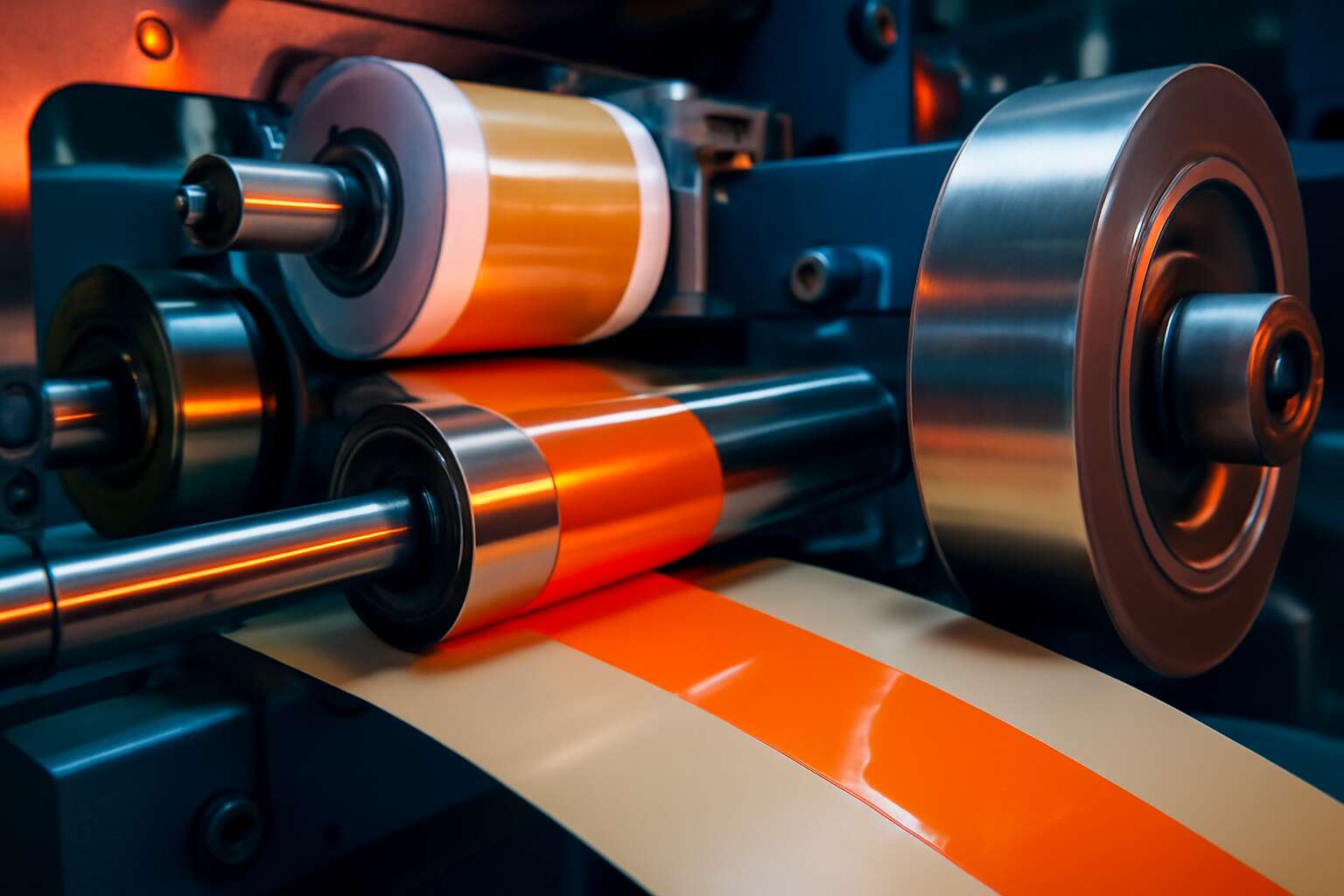
At its core, an adhesive tape converter is a sophisticated piece of machinery that unwinds, cuts, and rewinds tape with precision. This process allows manufacturers to produce customized tape products, from narrow strips to jumbo rolls, all optimized for specific industries. The beauty of this technology lies in its ability to adapt quickly to market demands, reducing waste and boosting efficiency.
- Unwinds large rolls of adhesive tape efficiently
- Precisely cuts tapes to desired widths and lengths
- Rewinds the finished product into manageable, ready-to-use rolls
In essence, the adhesive tape converter is the backbone of modern tape manufacturing, turning generic rolls into tailored solutions that stick—literally and figuratively—to the needs of South African industries. It’s the secret weapon behind those perfectly cut, high-quality tapes that keep the wheels of commerce turning smoothly!
Types of Adhesive Tape Converters
Understanding the different types of adhesive tape converters is essential for selecting the right machinery to meet specific industry needs. In South Africa, manufacturers often rely on versatile solutions that can handle a variety of adhesive tapes, from industrial-grade to lightweight options. These converters come in several configurations, each tailored for particular applications and production scales.
One common type is the **slitting adhesive tape converter**, designed to cut large rolls into narrower strips with incredible precision. This type is ideal for industries that require custom widths, such as packaging or automotive manufacturing. Another popular variant is the **re-winding adhesive tape converter**, which takes finished tape rolls and rewinds them into different sizes or formats, boosting efficiency and reducing waste.
There are also **automatic adhesive tape converters**, equipped with advanced technology that allows for high-speed, unattended operation. These are perfect for high-volume production environments where consistency and speed are paramount. Whether manual or automatic, the right adhesive tape converter can significantly optimize production workflows, providing tailored solutions that keep your business competitive.
Key Components of an Adhesive Tape Converter
Understanding the intricacies of an adhesive tape converter is akin to appreciating the fine art behind a masterful tapestry—each component plays a pivotal role in weaving together efficiency and precision. At the heart of this sophisticated machinery lie the key components that ensure seamless operation and impeccable output. These include the unwinding station, where large rolls of tape are gently fed into the system without a hitch, and the slitting blades, meticulously engineered to cut with razor-sharp accuracy. The rewinding mechanism, vital for reformatting finished rolls, operates with such finesse that even the most delicate lightweight tapes are handled with care.
To truly grasp how an adhesive tape converter functions, one must appreciate the synergy of its parts. A typical setup might encompass:
- Unwinding and feeding system
- Slitting blades or knives
- Rewinding and collection station
- Control panel with user-friendly interface
Each element works in concert, ensuring the machine’s adaptability—whether converting industrial-grade tapes or lightweight variants—while maintaining the highest standards of precision. This harmony is what elevates an ordinary adhesive tape converter into an indispensable tool for manufacturers seeking to optimize their production lines in South Africa’s competitive market.
Applications and Industries Using Adhesive Tape Converters
Packaging Industry
In the bustling corridors of the packaging industry, the adhesive tape converter stands as a silent hero, transforming raw tape into tailored solutions that keep the world turning. South Africa’s vibrant economy relies heavily on efficient packaging, and an adhesive tape converter makes this possible by customizing tapes to meet diverse needs. From sealing cartons to securing delicate goods during transit, the versatility of adhesive tape converters ensures that every product reaches its destination intact and pristine.
Industries such as logistics, retail, and manufacturing leverage the power of adhesive tape converters to enhance their operational efficiency. For instance, packaging companies utilize these converters to produce high-strength, custom-length tapes that streamline their packing processes. The adaptability of adhesive tape converters allows for a seamless transition from raw material to finished product, supporting the dynamic demands of local and international markets.
In the realm of packaging, the applications are as varied as they are vital. Adhesive tape converters create tailored solutions for:
- Heavy-duty industrial packaging
- Electronics and fragile item packaging
- Food and beverage sealing
- Automotive component assembly
This flexibility makes the adhesive tape converter an indispensable tool across numerous industries, promising both precision and durability in every application. As the backbone of efficient packaging in South Africa, it continues to drive innovation, ensuring products are secured with unwavering reliability and care.
Automotive Sector
Within the intricate machinery of automotive manufacturing, the adhesive tape converter emerges as an unsung hero—whose precision and adaptability underpin the integrity of countless vehicle components. In South Africa’s fiercely competitive automotive sector, where safety and durability are paramount, the ability to produce tailored adhesive tapes is a game-changer. These converters craft high-performance tapes that withstand extreme conditions, ensuring that every bolt, panel, and seal performs flawlessly under stress.
Automotive applications demand more than just strength; they require meticulous customization. Adhesive tape converters facilitate this by creating specialized tapes for:
- Assembly line bonding of interior fittings
- Sealing and insulation of electronic control units
- Vibration damping and noise reduction
- Weatherproofing exterior panels
From the initial design phase through to final assembly, the versatility of the adhesive tape converter allows manufacturers to meet the rigorous standards of the automotive industry. It transforms raw tape into a vital component—one that marries innovation with reliability, ensuring that South African vehicles not only meet international benchmarks but exceed them with unwavering confidence. This synergy of technology and craftsmanship exemplifies why the adhesive tape converter is indispensable in automotive manufacturing—a true testament to the relentless pursuit of perfection in every detail.
Electronics and Electrical Industry
In the realm of electronics and electrical industries, precision is everything. The adhesive tape converter plays a pivotal role in crafting specialized tapes that meet the demanding standards of these sectors. From securing delicate circuit boards to insulating wires, the versatility of adhesive tapes is unmatched. These converters transform raw materials into tailored solutions that ensure durability and performance in every application.
Electronics manufacturers rely heavily on adhesive tape converters to produce high-performance tapes designed for specific needs. For example, double-sided tapes for mounting screens or conductive tapes for grounding are essential components in modern device assembly. The ability to customize adhesive properties allows for enhanced reliability and longevity in electronic products.
Using an adhesive tape converter, industries can develop:
- Electrically conductive tapes for shielding and grounding
- Heat-resistant tapes for thermal management
- High-tack tapes for secure bonding in compact electronic assemblies
This adaptability makes the adhesive tape converter indispensable in the electronics and electrical industry, where innovation and precision are non-negotiable. In South Africa’s competitive market, manufacturers harness this technology to stay ahead, ensuring every electronic component is sealed, insulated, and secured with impeccable accuracy. The power of an adhesive tape converter extends beyond simple bonding—it’s a catalyst for technological advancement and operational excellence.
Medical and Healthcare Applications
In the intricate dance of healing and care, precision adhesives become silent heroes—binding, insulating, and safeguarding with unwavering fidelity. Medical and healthcare applications harness the prowess of an adhesive tape converter to craft specialized tapes that elevate patient safety and operational excellence. From securing delicate dressings to insulating sensitive equipment, these tailored tapes are the unseen backbone of modern medicine.
With an adhesive tape converter, manufacturers produce a spectrum of medical tapes designed for specific, life-saving purposes. These include:
- Hypoallergenic tapes for sensitive skin
- Antimicrobial tapes to combat infections
- Flexible tapes for immobilizing joints and limbs
The artistry of converting raw materials into these bespoke solutions ensures that each strip of tape offers both reliability and comfort. In South Africa’s vibrant healthcare landscape, where innovation meets necessity, the adhesive tape converter stands as a catalyst—transforming sterile materials into essential tools that serve humanity’s most vulnerable. It’s more than mere adhesion; it’s a testament to precision, resilience, and the relentless pursuit of well-being!
Consumer Goods and Retail
In the vibrant tapestry of consumer goods and retail, adhesive tape converters are the unseen artisans shaping everyday convenience with remarkable finesse. From blister packs to stylish gift wraps, the precision and versatility of converted tapes elevate product presentation and durability—elements that resonate deeply with consumers’ subconscious desire for quality and reliability. In an era where brand differentiation hinges on subtle details, the role of an adhesive tape converter becomes ever more pivotal, transforming mundane raw materials into captivating, functional solutions.
Retail environments thrive on the seamless integration of these tailored tapes, ensuring that packaging stands out while maintaining integrity through the rigors of transportation and handling. The adaptability of an adhesive tape converter allows manufacturers to produce a diverse array of consumer-friendly tapes, including:
- Decorative tapes that enhance product appeal
- Tamper-evident tapes for security and trust
- High-performance sealing tapes for fragile or high-value items
The intricate process of converting raw adhesive materials into these specialized tapes underscores a commitment to excellence—delivering reliability, aesthetic appeal, and consumer satisfaction all at once. In South Africa’s competitive retail landscape, the adhesive tape converter acts as a catalyst for innovation, subtly influencing purchasing decisions and brand loyalty—making the everyday act of unwrapping a truly compelling experience.
Advantages of Using an Adhesive Tape Converter
Customization and Flexibility
In a landscape where precision and customization are king, the advantages of utilizing an adhesive tape converter extend far beyond mere production efficiency. This sophisticated machinery grants manufacturers unparalleled control over the adhesive tape’s dimensions, adhesion properties, and core specifications, enabling a level of flexibility that is often unattainable through standard manufacturing routes. Such adaptability is especially vital in industries demanding tailored solutions, where one-size-fits-all simply does not suffice.
At its core, an adhesive tape converter embodies the essence of bespoke manufacturing—transforming raw tape into bespoke formats that meet exacting client needs. This customization not only optimizes material usage but also enhances product performance, reducing waste and ensuring consistency across batches. The ability to produce custom widths, thicknesses, and roll sizes fosters a competitive edge, allowing businesses in South Africa to respond swiftly to market shifts and client specifications.
Moreover, the inherent flexibility of an adhesive tape converter translates into a broader spectrum of applications—ranging from delicate medical tapes to robust industrial adhesives. Companies can experiment with different formulations, backing materials, and adhesive types, all within a single platform. This versatility means that brands can innovate faster, adapt more readily, and deliver solutions that truly resonate with their target markets.
Efficiency and Productivity Boost
In the bustling world of manufacturing, efficiency is the secret ingredient that transforms good companies into industry leaders. An adhesive tape converter acts as a catalyst in this journey, exponentially increasing productivity and streamlining operations. By automating the process of cutting, slit, and winding, this advanced machinery reduces manual labor and minimizes errors, allowing manufacturers to produce higher volumes in less time. The seamless integration of an adhesive tape converter into your workflow means fewer bottlenecks and faster turnaround times—crucial in a competitive market like South Africa.
Moreover, the versatility of an adhesive tape converter unlocks new levels of innovation. Companies can swiftly switch between different tape specifications—such as widths, lengths, and core sizes—without costly downtime. This adaptability means businesses can meet diverse client demands with ease, turning custom orders into opportunities for growth. With increased efficiency and enhanced flexibility, the adhesive tape converter becomes a vital tool for companies eager to stay ahead in today’s fast-paced, ever-evolving landscape.
Cost-Effectiveness
In the dynamic landscape of manufacturing, cost-effectiveness is the golden key that unlocks sustained growth and competitive advantage. An adhesive tape converter doesn’t just streamline production; it redefines how companies approach their bottom line. By optimizing material usage and reducing waste, these machines turn raw materials into profit with remarkable precision. The ability to produce high-quality tape rolls at a fraction of traditional costs ensures that businesses in South Africa can stay ahead without sacrificing quality.
Furthermore, the investment in an adhesive tape converter offers a compelling return on investment (ROI). The increased throughput and minimized downtime translate into faster delivery times and happier clients. With the capacity to handle diverse tape specifications effortlessly, companies can seize new market opportunities and adapt swiftly to shifting demands. This fusion of efficiency and versatility makes the adhesive tape converter an indispensable asset. Its cost-effectiveness isn’t just about saving money; it’s about empowering manufacturers to innovate boldly while maintaining a lean, agile operation. Truly, it’s a strategic move that transforms production from a routine task into a competitive edge in today’s bustling markets.
Quality and Consistency
In the realm of manufacturing excellence, precision and unwavering quality are the twin pillars that elevate a business from good to legendary. An adhesive tape converter stands as a silent guardian of consistency, transforming raw materials into flawless tape products with remarkable uniformity. These machines do more than just produce—they craft a dependable supply chain where every roll meets exact specifications, ensuring your brand’s reputation remains untarnished.
What truly sets an adhesive tape converter apart is its ability to deliver high-quality tapes that satisfy even the most discerning clients. The secret lies in their sophisticated design, which guarantees tight control over tension, coating, and slit widths. This meticulous attention to detail means that each roll is a testament to unwavering quality, empowering manufacturers to maintain brand integrity across every batch.
Seamless adaptability is another advantage—many adhesive tape converters can handle a wide range of tape types, from double-sided to medical-grade adhesives. This versatility allows businesses to diversify their product offerings without investing in multiple machines. Moreover, the enhanced consistency provided by an adhesive tape converter reduces product defects and rework, saving both time and resources. It’s this combination of quality and reliability that turns everyday manufacturing into an art of precision. Truly, an adhesive tape converter isn’t just equipment; it’s the heartbeat of consistent excellence in the manufacturing process.
Reduced Waste and Material Savings
In the bustling world of manufacturing, where every penny counts and waste is the enemy, an adhesive tape converter emerges as the unsung hero—saving materials and money with the finesse of a master illusionist. These machines are designed to minimize excess tape, ensuring that nothing goes to waste, like a magician pulling just the right rabbit out of a hat.
By optimizing tension control and precise slit widths, an adhesive tape converter dramatically reduces raw material consumption. This not only slashes costs but also shrinks the environmental footprint—giving you a green badge without breaking a sweat. For manufacturers seeking to stretch their raw materials further, the benefits are clear: less waste, more product, and a healthier bottom line.
Furthermore, the adaptability of an adhesive tape converter means it can handle various tape widths and adhesive types, maximizing material usage. This versatility allows businesses to customize their production runs, reducing leftover scraps and unused roll ends. It’s like having a Swiss Army knife for tape manufacturing—compact, efficient, and incredibly resourceful!
- Reduced waste through precise tension and slit control
- Significant material savings leading to lower production costs
- Enhanced eco-conscious practices aligning with sustainable manufacturing goals
In essence, an adhesive tape converter isn’t just about making tape—it’s about making smarter, leaner, and more sustainable manufacturing a reality. Every roll produced is a testament to resourcefulness, proving that in the world of adhesives, efficiency is the true adhesive that holds it all together!
How to Choose the Right Adhesive Tape Converter
Factors to Consider
Choosing the right adhesive tape converter isn’t just a matter of picking a shiny machine off the shelf. It’s about aligning your specific needs with the converter’s capabilities, ensuring seamless production and top-notch quality. With an industry that’s constantly evolving—think faster, smarter, more eco-friendly—your decision impacts everything from waste reduction to overall efficiency.
Factors such as the width and thickness of tape, speed of production, and the type of adhesive used are pivotal. For instance, a converter tailored for high-volume industrial applications will differ vastly from one designed for delicate electronics or healthcare tapes. To navigate this maze, consider the following:
- Material compatibility
- Automation features for increased productivity
- Flexibility for custom tape sizes and coatings
In South Africa’s competitive market, investing in the right adhesive tape converter can mean the difference between being a leader or just another also-ran. So, weigh your options carefully—your future success depends on it!
Top Manufacturers and Brands
Choosing the right adhesive tape converter from top manufacturers and brands is a strategic move that can elevate your production line to new heights. With so many options available, it’s tempting to focus solely on price or flashy features. But the true game-changer lies in identifying a converter that aligns seamlessly with your unique needs, backed by a reputation for reliability and innovation.
When evaluating brands, look for those known for their durability and advanced automation features—these elements can significantly boost efficiency and reduce downtime. It’s also wise to consider the manufacturer’s ability to provide tailored solutions, especially for niche industries like electronics or healthcare.
To streamline your decision, focus on a few key factors:
- Track record of consistency and quality.
- Customer support and after-sales service.
- Availability of customization options to meet specific tape specifications.
Opting for a reputable adhesive tape converter from leading brands ensures your investment translates into long-term success, keeping your operations ahead in South Africa’s competitive market.
Custom vs. Standard Converters
Choosing the right adhesive tape converter is akin to selecting a partner for a delicate dance—each step must be harmonious with your unique rhythm. When deciding between custom and standard converters, consider whether your production demands bespoke solutions or if off-the-shelf models can meet your needs. Custom converters offer tailored precision, designed specifically to accommodate niche industry requirements like electronics or healthcare, where exact tape specifications are non-negotiable.
On the other hand, standard converters shine with their ready availability and proven reliability, making them ideal for high-volume operations seeking consistency without the wait. An adhesive tape converter that’s flexible enough to adapt to evolving demands can save your operation from costly downtime. Evaluate whether your project warrants a one-of-a-kind solution or if a reliable, mass-produced converter will suffice—this choice can significantly influence your efficiency and bottom line.
Maintenance and Optimization of Adhesive Tape Converters
Routine Maintenance Tips
Maintaining an adhesive tape converter isn’t just about preventing breakdowns; it’s about unlocking a world of seamless efficiency. Routine upkeep ensures that each roll of tape is produced with precision, reducing waste and boosting productivity. An overlooked aspect of maintenance is the importance of regular lubrication and inspection of moving parts, which keeps the machine operating smoothly and extends its lifespan. Attention to detail in these areas can transform your converter from merely functional to marvelously efficient.
To optimize performance, consider implementing a structured maintenance schedule. This can include daily checks for dust build-up, weekly calibration of tension controls, and monthly inspections of critical components such as rollers and cutters. Remember,
- cleanliness
- timely part replacement
- proper lubrication
are the foundation stones for superior performance. When a converter runs at peak condition, it’s capable of delivering consistent quality, which is essential in competitive industries like packaging, automotive, and electronics. Routine maintenance isn’t just a chore; it’s an investment in the longevity and efficiency of your adhesive tape converter.”
Troubleshooting Common Issues
In the fast-paced world of manufacturing, a well-maintained adhesive tape converter can be the difference between smooth operations and costly downtime. Troubleshooting common issues requires a keen eye and a systematic approach. Often, minor problems such as inconsistent tape tension or uneven cuts stem from overlooked maintenance tasks. Regular inspection of critical components like rollers, cutters, and tension controls can prevent these issues from escalating.
One effective way to troubleshoot is to create a checklist that includes:
- Checking for dust build-up on rollers
- Ensuring lubrication points are properly greased
- Verifying calibration of tension controls
Addressing these areas promptly not only extends the lifespan of your adhesive tape converter but also maintains the integrity of your finished product. When your converter runs at peak efficiency, it maximizes productivity and minimizes waste—a crucial advantage in today’s competitive markets. Remember, proactive maintenance and diligent troubleshooting are the pillars of consistent quality and operational excellence in adhesive tape converting.
Upgrading and Modernizing Equipment
In the shadowed corridors of manufacturing, where precision dances with the relentless march of time, the adhesive tape converter stands as a silent sentinel. To keep this crucial piece of equipment at its haunted peak, maintenance and modernization are no longer optional—they are the lifeblood of operational excellence. Upgrading old machinery with the latest technological advancements can transform a sluggish process into a symphony of efficiency, reducing waste and elevating quality to an art form.
Modernizing your adhesive tape converter involves more than just replacing worn parts; it’s about embracing innovation that breathes new life into the entire system. From installing advanced tension controls to incorporating intelligent sensors, each upgrade whispers promises of smoother cuts and consistent adhesion. For those seeking to optimize performance, consider the following:
- Implementing automated calibration systems to ensure unwavering tension accuracy
- Upgrading rollers and cutters with precision-engineered components for flawless operation
- Integrating real-time monitoring software to diagnose issues before they escalate
Such enhancements don’t merely prolong the lifespan of your adhesive tape converter—they turn it into a fortress of productivity, resilient against the chaos of the industrial landscape. When every component is finely tuned to the symphony of manufacturing, the results are nothing short of extraordinary—cost savings, reduced downtime, and an unyielding commitment to quality.
Future Trends in Adhesive Tape Conversion Technology
Automation and Smart Technologies
As the demand for precision and efficiency in adhesive tape conversion skyrockets, the future of adhesive tape converter technology is poised for a transformative leap. Automation is no longer a luxury but a necessity, streamlining processes while reducing human error. Cutting-edge smart technologies are beginning to integrate seamlessly into these systems, enabling real-time data monitoring and predictive maintenance—an essential feature for industries where downtime equates to lost revenue. Imagine an adhesive tape converter that not only adapts to different tape types on-the-fly but also anticipates maintenance needs before issues even surface.
Emerging trends suggest that the next wave of innovation will hinge on intelligent automation and connectivity. Advanced sensors and IoT integration will empower operators with unparalleled control and flexibility, fostering custom solutions that meet the unique demands of diverse industries—from electronics to healthcare. As the adhesive tape converter ecosystem evolves, its ability to deliver high-quality, waste-reducing output will become a defining characteristic, ensuring manufacturers remain competitive in a rapidly shifting landscape.
Sustainable and Eco-Friendly Materials
As industries around the world pivot toward sustainability, the future of adhesive tape converter technology is undeniably leaning into the realm of eco-friendly materials. The drive to reduce environmental impact is transforming how manufacturers approach tape production—from biodegradable backing options to water-based adhesives that minimize volatile organic compounds (VOCs). These innovations are not merely trends but necessities, especially in regions like South Africa, where environmental consciousness is gaining momentum.
Emerging trends emphasize the integration of sustainable materials that do not compromise quality or performance. For instance, plant-based adhesives and recyclable backing materials are becoming increasingly prevalent within the adhesive tape converter industry. This shift is driven by the dual need to meet strict environmental regulations and satisfy consumer demand for greener products. The evolution of these materials ensures that manufacturers can produce high-performance tapes while actively reducing waste and carbon footprints.
Moreover, the convergence of smart technologies and eco-conscious design is creating a new paradigm in tape conversion. Advanced sensors within the adhesive tape converter enable real-time monitoring of material usage, allowing for precise application and minimizing waste. Simultaneously, IoT connectivity facilitates better lifecycle management—predicting when equipment needs maintenance and optimizing resource consumption. This harmonious blend of sustainability and innovation underscores a future where adhesive tape converters are not only efficient but also aligned with global environmental goals.
In South Africa and beyond, the emphasis on sustainable and eco-friendly materials signifies a profound shift — one that champions responsible manufacturing and a greener planet. As the industry continues to innovate, the adhesive tape converter will remain at the forefront of this transformation, delivering solutions that are both cutting-edge and environmentally conscientious.
Integration with Digital Manufacturing
As the dawn of digital manufacturing breaks over industries worldwide, the future of adhesive tape converter technology glows with promise and innovation. The integration of smart systems is transforming traditional tape conversion into a realm where precision meets sustainability. Imagine conveyor belts guided by sensors that detect tape thickness, ensuring each roll is crafted with immaculate accuracy—reducing waste and elevating quality. This seamless harmony of automation and eco-conscious design is not mere fantasy but an emerging reality.
In South Africa, where industries are rapidly embracing technological evolution, the adhesive tape converter stands at the forefront of this revolution. The adoption of digital tools, such as IoT connectivity, allows manufacturers to monitor and optimize the entire production cycle in real-time, ultimately fostering a leaner, greener operation. As the industry advances, expect to see an increased focus on data-driven insights that enhance consistency, minimize downtime, and promote responsible resource utilization.
The future also beckons with innovative manufacturing techniques, including modular systems that adapt swiftly to market demands and bespoke customer specifications. These adaptable systems not only accelerate turnaround times but also contribute significantly to environmental sustainability by reducing excess material usage. With each technological leap, the adhesive tape converter becomes more than a machine—it transforms into a sophisticated hub of intelligent manufacturing, perfectly aligned with the global push toward eco-friendly industry practices.
Innovations in Tape Materials
The future of adhesive tape converter technology is unfolding at a dizzying pace, promising innovations that will revolutionize how industries operate. As sustainability becomes more than just a buzzword, new tape materials are emerging that combine eco-friendliness with superior performance. Imagine tapes made from biodegradable polymers or recycled content, seamlessly integrating into a circular economy—an idea that seemed like science fiction just a few years ago! These advanced materials not only reduce environmental impact but also enhance tape adhesion and durability, making them ideal for diverse applications ranging from packaging to electronics.
One of the most exciting trends is the development of multi-functional tapes that can adapt to various substrates and conditions. These novel materials are engineered to offer enhanced UV resistance, temperature stability, and even antimicrobial properties—crucial for medical and healthcare applications. The adhesive tape converter industry is swiftly adopting these innovations, pushing the boundaries of what’s possible in tape manufacturing. As the demand for specialized tapes grows, expect to see a surge in customizable solutions that meet specific client needs with precision and flair.
Furthermore, the integration of smart materials into tape production is paving the way for self-healing and sensor-enabled tapes. Such innovations could allow tapes to monitor structural integrity or detect environmental changes, transforming traditional adhesive tapes into intelligent components of modern infrastructure. These advancements are not just about performance—they represent a shift towards sustainable, resource-efficient manufacturing that aligns with global green initiatives.
In South Africa, where industries are eager to leap into the future, the adhesive tape converter industry is poised to embrace these cutting-edge materials. As companies seek innovative solutions that offer both functionality and eco-consciousness, the evolution of tape materials will undoubtedly shape the next chapter of industrial excellence. Whether it’s biodegradable tapes for packaging or high-performance adhesives for automotive and electronics industries, the future is bright—and remarkably sticky.

0 Comments