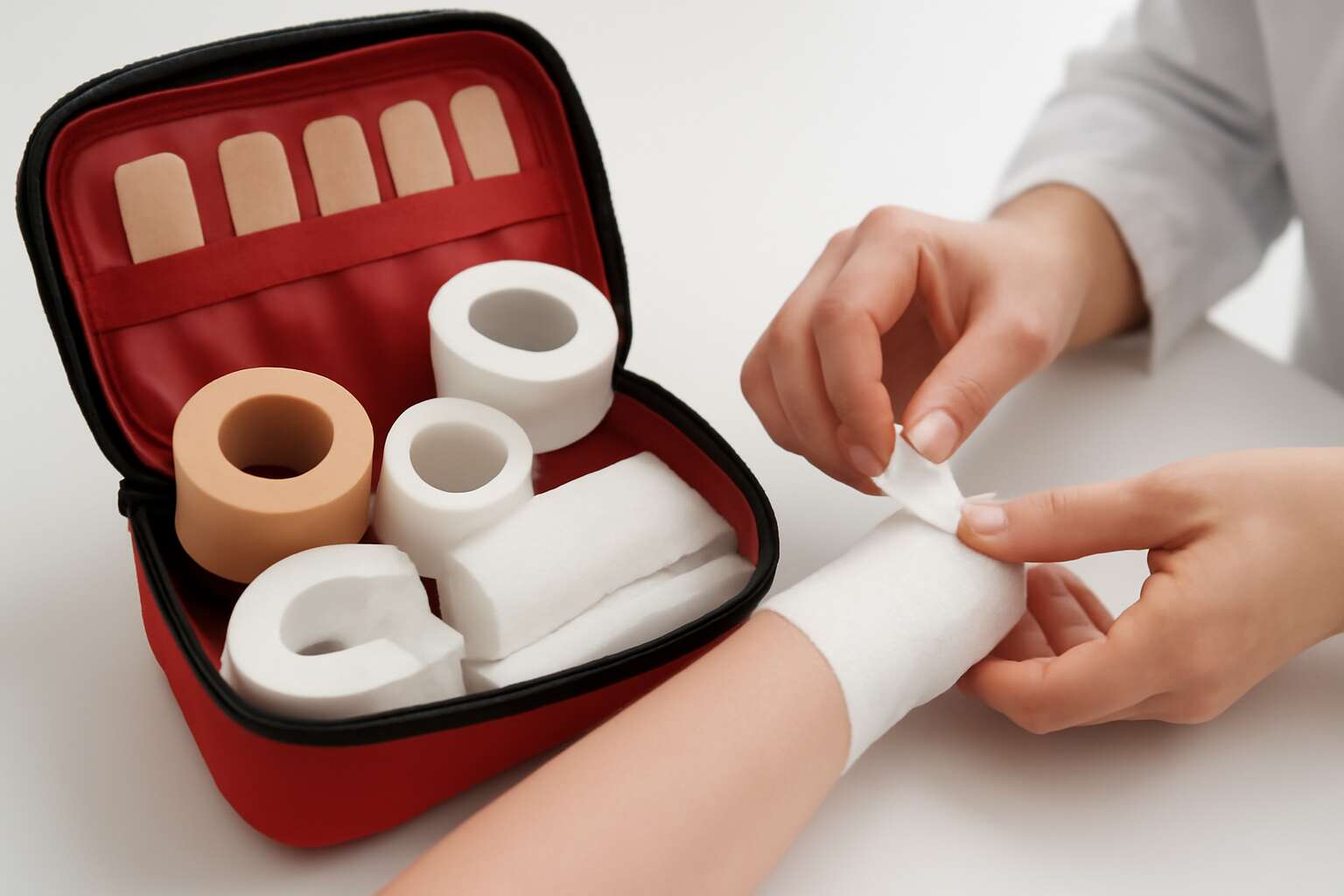
Understanding Adhesive Tape in First Aid
What is Adhesive Tape?
In the realm of first aid, few supplies are as versatile and essential as adhesive tape. Its unassuming appearance belies a quiet power—an invisible hero that can stabilize injuries and prevent further trauma. Understanding adhesive tape in first aid is crucial for anyone seeking to master quick, effective response techniques. This simple yet indispensable tool offers more than just adhesion; it’s a safeguard that holds dressings in place, secures splints, and provides a sense of security amidst chaos.
What exactly is adhesive tape? Essentially, it’s a strip of material coated with a sticky substance, designed to cling firmly yet remove cleanly without damaging the skin. The magic lies in its composition—most often a combination of cloth, plastic, or paper backing with a hypoallergenic adhesive. The variety of adhesive tape used in first aid ranges from gentle, breathable options for sensitive skin to more robust, waterproof tapes suited for outdoor emergencies. Recognizing the differences can make all the difference in effective wound management.
For first responders and caregivers, familiarity with the types of adhesive tape available is vital. Here’s a quick overview of the typical options:
- Cloth tape — durable and flexible, ideal for securing bandages on joints or contoured areas.
- Plastic or waterproof tape — perfect for outdoor use, resistant to moisture and sweat.
- Hypoallergenic tape — designed for sensitive skin to prevent irritation.
Types of Adhesive Tape Used in First Aid
Understanding the nuances of adhesive tape use in first aid elevates the response from mere reaction to a calculated act of care. Not all tapes are created equal; choosing the right type can make a significant difference in healing outcomes. For instance, cloth tape’s durability and flexibility make it indispensable for securing bandages on joints or contoured areas, ensuring the dressing stays in place even during active movement. Waterproof or plastic tape, on the other hand, offers resilience against moisture and sweat, making it an excellent choice for outdoor emergencies or rainy conditions common in South Africa.
Hypoallergenic options cater specifically to sensitive skin, reducing the risk of irritation and allergic reactions—an often overlooked but vital aspect in effective first aid. Recognizing these distinctions is key to mastering the strategic application of adhesive tape use in first aid, transforming a simple tool into a vital component of injury management. Whether securing a splint or holding a dressing firmly, the right adhesive tape can provide stability and confidence when it matters most.
Key Features to Consider (Breathability, Flexibility, Adhesion)
In the delicate tapestry of first aid, adhesive tape serves as both a guardian and a healer, holding together what must stay aligned. But behind its seemingly simple surface lies a complex interplay of features that determine its true efficacy. When considering adhesive tape use in first aid, understanding its key features—breathability, flexibility, and adhesion—becomes paramount. These qualities transform a mere strip of tape into an extension of our care, capable of adapting to the unpredictable contours of the human body.
Breathability, often overlooked, ensures that the skin remains free from moisture buildup, reducing irritation and promoting swift healing. Flexibility grants the tape an almost organic motion, allowing it to bend and stretch with joints or uneven surfaces, preventing discomfort or detachment during movement. Meanwhile, adhesion is the silent promise—how steadfastly the tape clings, resisting sweat, water, and the chaos of emergency situations. Striking a balance among these features ensures that the adhesive tape use in first aid is not just effective but also compassionate in its application.
- Breathability supports skin health and reduces irritation.
- Flexibility allows secure placement on contoured or joint areas.
- Adhesion guarantees the dressing stays firmly in place under various conditions.
Choosing the right adhesive tape, with these features in harmony, elevates a simple first aid response into an act of meticulous care—one that fosters confidence and comfort when every second counts.
Common Applications of Adhesive Tape in First Aid
Securing Bandages and Dressings
In the intricate dance of emergency response, the humble adhesive tape emerges as an unsung hero—an essential tool that transforms chaos into order. Its role in first aid transcends mere fixation; it embodies a silent promise of stability amid vulnerability. When wounds gape and dressings threaten to shift, the expert application of adhesive tape ensures that healing progresses undisturbed, providing both reassurance and security.
Securing bandages and dressings is perhaps the most familiar application of adhesive tape in first aid. Its ability to conform to contours, hold sterile coverings firmly in place, and withstand movement makes it indispensable. The adhesive tape’s versatility allows it to adapt to various injury scenarios, from superficial abrasions to more extensive wounds requiring meticulous stabilization. In fact, the proper use of adhesive tape can significantly influence the healing trajectory, preventing contamination and further injury.
By understanding the common applications of adhesive tape in first aid, responders and laypersons alike can harness its full potential. A simple yet critical step involves using the tape to hold dressings securely—an act that embodies both practicality and care. It’s not merely about adhesion; it’s about restoring a sense of control when it’s most needed. Whether securing gauze or immobilizing a fractured limb, the strategic application of adhesive tape in first aid underscores its role as a guardian of health in moments of crisis.
Supporting Injured Joints and Limbs
When injuries strike, especially those involving joints and limbs, the strategic application of adhesive tape becomes a vital component of effective first aid. A well-placed strip can mean the difference between unstable movement and swift, pain-free recovery. In South Africa’s rugged terrains and bustling urban environments alike, understanding the role of adhesive tape use in first aid is crucial for both professionals and lay responders.
In cases of sprains or strains, adhesive tape is often employed to support and immobilize the affected area, reducing further injury. For example, taping around the ankle or wrist can provide stability, preventing excessive movement that might exacerbate the injury. This technique not only alleviates pain but also promotes proper healing by limiting strain on injured tissues.
Common applications include the use of pre-cut kinesiology tape strips or traditional adhesive tapes to secure splints or create compression bands. When applied correctly, the tape offers flexible yet firm support, seamlessly conforming to the contours of limbs and joints. This ensures the injured area remains immobilized, while still allowing some range of motion—crucial for maintaining circulation and comfort.
In fact, the versatility of adhesive tape use in first aid extends to:
- Supporting sprained ankles during movement
- Securing splints on fractured limbs
- Providing compression to reduce swelling
By mastering the artful application of adhesive tape, first responders can significantly influence the recovery process, turning chaos into controlled care. Whether stabilizing a twisted knee or immobilizing a fractured finger, the strategic use of adhesive tape in first aid remains an indispensable skill—one that transforms a simple act into a lifeline of stability and reassurance.
Preventing Friction and Blister Formation
In the unpredictable landscape of South Africa’s rugged outdoors and dynamic urban scenes, blister formation can turn a promising day into a painful ordeal. Adhesive tape use in first aid plays a pivotal role in preventing friction-related injuries, especially when movement is unavoidable. When skin rubs repeatedly against clothing or footwear, blisters are almost inevitable—unless you intervene early with a simple yet effective solution.
Applying a small piece of adhesive tape over vulnerable spots—such as heels, toes, or hips—serves as a barrier that reduces skin friction. This proactive step can prevent the painful buildup of fluid-filled blisters, which often complicate mobility and prolong recovery. For added protection, some first aid kits include specialized blister prevention tapes, designed to stay secure even during vigorous activity.
In many cases, the strategic use of adhesive tape in first aid extends beyond blister prevention. It can also be used to secure padding or protect high-friction areas, ensuring that injuries don’t worsen. Whether on a hiking trail or in a busy clinic, mastering the art of adhesive tape application can make all the difference—turning potential disaster into a seamless, pain-free experience.
Adhesion for Medical Devices and Catheters
In the intricate world of first aid, adhesive tape use in first aid extends far beyond simple bandage securement. Its role in securing medical devices and catheters highlights the dual necessity of reliable adhesion and gentle removal—especially in emergency settings where precision is paramount. Properly applied, adhesive tape ensures that critical devices stay in place, reducing the risk of dislodgement or infection.
For medical applications such as catheters, adhesive tapes must strike a delicate balance: strong enough to withstand movement but gentle enough to prevent skin trauma. This requirement underscores the importance of selecting tapes with optimal adhesion properties and skin-friendly materials. To facilitate this, many first aid kits include specialized tapes designed explicitly for medical devices, enhancing both safety and comfort.
When applying adhesive tape in first aid, consider the following:
- Securely affixing catheters or IV lines without causing skin irritation
- Maintaining the stability of medical devices during patient movement
- Preventing accidental dislodgement that could compromise treatment
In the realm of first aid, the versatility of adhesive tape use in first aid is undeniable. It not only supports immediate wound care but also plays an essential role in the safe and effective management of medical devices—particularly vital in South Africa’s diverse healthcare landscape, where adaptability and reliability often make the difference between recovery and complication.
Stabilizing Wounds During Transport
When every second counts in a first aid scenario, adhesive tape use in first aid becomes the unsung hero—more reliable than a stubborn mule and just as versatile. In challenging environments like South Africa’s rugged terrain or bustling urban settings, securing wounds and medical devices with dependable tape can mean the difference between swift recovery and a prolonged ordeal.
One crucial application of adhesive tape use in first aid is stabilizing wounds during transport. Moving a patient from the scene of an injury to a healthcare facility demands a secure dressing, preventing further bleeding or contamination. It’s not just about sticking things together; it’s about ensuring that the wound remains protected even through bumpy rides or hurried ambulance rides. Properly applied, adhesive tape keeps dressings firmly in place, reducing the risk of reinjury and infection.
Additionally, adhesive tape plays a vital role in stabilizing delicate medical devices during emergency transfers. For example, securing IV lines or catheters ensures they don’t dislodge, which could jeopardize treatment. In the chaotic world of first aid, the ability to quickly and effectively secure medical equipment with specialized tapes designed for comfort and strength can be lifesaving. After all, the goal is to keep things in place without causing additional discomfort or skin trauma.
Step-by-Step Guide to Using Adhesive Tape Properly
Preparing the Wound Area
Mastering the art of adhesive tape use in first aid isn’t just about sticking a bandage — it’s about precision, care, and ensuring optimal healing. The first step involves preparing the wound area, a critical phase that often gets overlooked. Proper preparation not only enhances adhesion but also minimizes infection risk. Clean the wound thoroughly with sterile water or saline, removing any dirt or debris that could compromise healing. Pat the area dry with a sterile gauze or clean cloth, avoiding excessive rubbing which might cause further tissue damage.
Once the area is ready, it’s essential to select the appropriate adhesive tape, considering factors like breathability and flexibility to ensure comfort and effectiveness. For securing dressings, an **adhesive tape use in first aid** should provide a secure hold without restricting movement. When applying, start from the center of the dressing, gently pressing the tape down and smoothing out any wrinkles. For added durability, use overlapping strips, ensuring each adheres seamlessly to the skin.
Selecting the Appropriate Tape
Choosing the right adhesive tape in first aid isn’t merely about sticking; it’s about strategic application that ensures maximum support and protection. When selecting the appropriate tape, consider the environment—will it need to withstand sweat, movement, or moisture? Breathability is crucial, especially for prolonged wear, preventing skin irritation and allowing airflow to aid healing. Flexibility matters too, enabling the tape to adapt seamlessly to contours without compromising adhesion.
To get it just right, start with a clean, dry surface—this guarantees the adhesive tape use in first aid will hold firm. For securing dressings, apply the tape from the center outward, pressing gently to eliminate wrinkles and air pockets. Overlapping strips can bolster durability, especially in active settings. Remember, the key is a secure hold that supports healing without restricting movement or causing discomfort. Mastering these subtle steps transforms a simple strip of tape into a vital component of first aid mastery.
Application Techniques for Secure andComfortable Fit
In the shadowed realm of first aid, the correct application of adhesive tape can be the thin line between chaos and calm. When wielding this seemingly simple tool, precision and intent transform it into a lifeline. Applying adhesive tape with care begins with ensuring the surface is pristine—free from dirt and moisture—so the tape’s bond is unyielding. Gently press from the center outward, smoothing out wrinkles and air pockets that threaten to undermine its grip. This meticulous approach guarantees the adhesive tape use in first aid is both secure and comfortable, avoiding unnecessary discomfort or compromised healing.
For added durability, consider overlapping strips, especially when securing larger dressings or supporting joints. The key is to create a tight, yet flexible, seal that moves harmoniously with the injured area. Mastering these subtle yet vital steps elevates the routine, turning a simple strip of tape into a guardian of recovery—one that supports healing and preserves dignity amid chaos. The art of adhesive tape use in first aid is, after all, a delicate dance of trust and technique.
Ensuring Proper Tension to Avoid Restricted Circulation
Proper tension during the application of adhesive tape in first aid is an often-overlooked skill that can determine the difference between effective healing and further injury. When applying adhesive tape, it’s vital to maintain a delicate balance—too tight, and you risk restricted circulation; too loose, and the dressing may shift or fall off.
To ensure optimal results, focus on gentle, even tension as you secure the dressing. Visualize the injured area as a living entity, deserving of respect and care. As you press the tape down, move from the center outward, avoiding overstretching the material.
A simple method to prevent restricted circulation involves periodically checking the extremities for signs of numbness or discoloration. If these symptoms appear, release the tape immediately to restore blood flow. Remember, the goal of adhesive tape use in first aid is to support recovery without causing additional harm.
Monitoring and Replacing Tape
In the realm of first aid, the proper use of adhesive tape transcends mere practicality—it becomes a moral act of care. Monitoring and replacing tape isn’t just about maintaining a secure dressing; it’s about respecting the delicate balance of human physiology and dignity. As time passes, the body’s response to tape reveals much about its resilience and vulnerability.
When monitoring, pay close attention to signs of compromised circulation—numbness, pallor, or cold extremities serve as urgent signals. Gently assess the area, and if necessary, remove or reposition the tape to prevent further harm. Replacing adhesive tape in first aid requires a nuanced touch; it’s not just about reapplication but understanding when the wound needs more freedom and less restraint.
- Start by carefully loosening the existing tape, avoiding abrupt removal that could cause pain or reopen the wound.
- Cleanse the area if required, ensuring the skin is dry and free of debris for optimal adhesion.
- Apply a fresh strip of adhesive tape with even, gentle tension—never overstretching—mimicking the natural elasticity of human skin.
In essence, the skill of monitoring and replacing adhesive tape in first aid embodies a deeper principle: healing is as much about human connection as it is about physical repair. Every strip of tape becomes a testament to our capacity for empathy and respect amidst the chaos of injury.
Safety Tips and Best Practices
Avoiding Allergic Reactions
Even the most skilled first aid responders can stumble upon unforeseen allergic reactions when using adhesive tape in first aid. Awareness and caution are essential to prevent discomfort or worsening of the injury. Certain adhesives, especially latex-based tapes, can trigger sensitivities—so knowing how to recognize and avoid these reactions is crucial for safety.
One of the best practices involves conducting a simple patch test before applying the tape extensively. Place a small strip on the skin and observe for any signs of redness, itching, or swelling within a few minutes. If any adverse reaction occurs, it’s wise to switch to hypoallergenic options or fabric tapes designed for sensitive skin.
Additionally, ensuring the skin is clean and dry before application helps minimize irritation. Always remove the adhesive tape carefully, especially if the injured area shows signs of allergic response. Remember, choosing the right type of adhesive tape in first aid isn’t just about securing a dressing—it’s about safeguarding the patient’s comfort and health. Prioritizing these safety tips ensures that the use of adhesive tape remains a helpful, not harmful, tool in emergency care.
Preventing Skin Damage and Tearing
In the delicate dance of first aid, every movement must be executed with precision and care—especially when it comes to adhesive tape use in first aid. A misstep can transform a simple dressing into a source of discomfort or further injury. To prevent skin damage and tearing, it’s essential to approach application with patience and awareness. Gentle removal and proper tension are the silent guardians of healthy skin, ensuring that the tape secures without strangling or irritating.
One effective safety tip involves choosing the right type of tape—hypoallergenic or fabric options—particularly for sensitive skin. Applying the tape on clean, dry skin minimizes the risk of tears and inflammation. Remember, the goal is to protect, not to cause pain; thus, inspecting the area regularly and removing the tape carefully can prevent unnecessary damage during the healing process.
When using adhesive tape in first aid, consider this simple step:
- Assess the skin’s condition—look for signs of redness or irritation before application.
By maintaining gentle handling and mindful selection of materials, first aid responders can ensure that the tape fulfills its role as a steadfast protector, not an unwelcome irritant. This approach preserves both the integrity of the skin and the comfort of the patient, transforming a routine act into a confident act of care and compassion.
Recognizing when to Remove or Replace Tape
Adhesive tape use in first aid is more than a routine—it’s a delicate art of balance between securing and harming. Recognizing when to remove or replace tape can make the difference between a smooth healing process and unnecessary discomfort. Skin, after all, is a living canvas that responds with sensitivity; it whispers warnings of irritation or impending damage if we listen closely enough.
Monitoring the condition of the tape and surrounding skin is essential. If redness, swelling, or tenderness appears, it’s time to reconsider the tape’s presence. A gentle removal technique—peeling back slowly and in the direction of hair growth—can prevent tears and irritation. When replacing the tape, ensure the skin is clean and dry, and opt for hypoallergenic options if sensitivities are suspected.
- Regularly inspect the taped area for signs of irritation or loosening.
- Remove the tape if discomfort or skin discoloration arises.
- Replace with fresh, suitable adhesive tape to maintain secure coverage without causing harm.
In the realm of first aid, the true mastery lies in respecting the skin’s resilience while acknowledging its fragility. Properly timed removal or replacement of adhesive tape use in first aid ensures that care remains a gentle act of healing, not a source of suffering.
Hygiene and Cleanliness During Application
When it comes to adhesive tape use in first aid, hygiene and cleanliness are paramount. Proper application starts with clean hands and a sanitized surface to prevent infection. Always wash your hands thoroughly before handling the tape, and ensure the wound area is disinfected and dry. This minimizes the risk of bacterial contamination and promotes faster healing.
Choosing the right adhesive tape for first aid is crucial. Hypoallergenic tapes reduce the chance of allergic reactions, especially for sensitive skin. When applying, press the tape firmly but gently, avoiding excessive tension that could restrict circulation. Regular inspection of the taped area helps catch early signs of irritation or loosening, ensuring the dressing remains effective and comfortable.
For added safety, consider these best practices:
- Use sterile tools and gloves when handling wounds.
- Avoid touching the adhesive surface directly to maintain sterility.
- Replace tape immediately if signs of skin irritation or infection develop.
These safety tips and hygiene practices are vital for optimal adhesive tape use in first aid, ensuring the injured area heals efficiently without unnecessary discomfort or complications.
Using Tape on Sensitive Skin Areas
When dealing with sensitive skin areas, safety and caution become even more critical in adhesive tape use in first aid. Fragile skin, especially in children or elderly patients, requires a gentle touch to prevent tearing or irritation. Applying adhesive tape with excessive tension can cause discomfort and compromise skin integrity, leading to potential infection or delayed healing. It’s essential to use hypoallergenic tapes specially designed for delicate skin, which minimize allergic reactions and skin damage.
To enhance safety, consider the following best practices:
- Test a small patch of skin with the tape beforehand to check for reactions.
- Use sterile tools and gloves to maintain hygiene during application.
- Ensure the tape is applied with a light, even pressure—avoid stretching or pulling tight.
Additionally, regularly inspecting the taped area helps identify early signs of irritation or loosening. If redness, swelling, or discomfort appears, replace the tape promptly. When working with sensitive skin, patience and gentle handling are paramount—these simple steps can significantly reduce the risk of skin tears or adverse reactions, ensuring the best possible outcome in first aid situations involving delicate areas.
Advantages of Using Adhesive Tape in First Aid
Ease of Use and Accessibility
Versatility in Emergency Situations
In moments of crisis, the true test of first aid supplies lies in their versatility—adjective tape use in first aid exemplifies this perfectly. It’s not merely an adhesive; it’s a tool that transforms chaos into control, offering a lifeline when options are limited. The ability to adapt, to serve multiple functions—from securing dressings to immobilizing joints—makes adhesive tape indispensable in emergency situations. Its flexibility and strength can turn a simple bandage into a makeshift splint, providing stability when medical help is delayed.
Moreover, the adaptability of adhesive tape in first aid can significantly influence outcomes. For instance, in remote or resource-constrained settings, a single roll can be used to:
- Secure a dressing over a bleeding wound
- Support injured limbs to prevent further damage
- Prevent friction and blister formation during prolonged transport
This multifaceted application underscores how adhesive tape use in first aid is a cornerstone of effective emergency response, especially when every second counts and improvisation becomes necessary. It’s a silent hero, quietly holding everything together in the most critical moments.
Cost-Effectiveness
The economic advantages of using adhesive tape in first aid are profound, especially when every rand counts in South Africa’s resource-conscious context. A single roll of high-quality adhesive tape can serve multiple critical functions—saving money while maximizing emergency preparedness. Its durability and reliability eliminate the need for frequent replacements, making it an essential component of any first aid kit.
Moreover, the versatility of adhesive tape use in first aid means it can replace several specialized supplies. For instance, it can secure dressings, immobilize injured limbs, or prevent blisters, reducing the need for additional materials. This adaptability not only cuts costs but also simplifies emergency response, allowing responders to act swiftly and efficiently. When emergency situations demand quick thinking and resourcefulness, the cost-effectiveness of adhesive tape becomes undeniably invaluable, transforming a simple strip into a vital lifeline.
Compatibility with Various First Aid Kits
One of the key advantages of adhesive tape use in first aid is its remarkable compatibility with a wide range of first aid kits. Whether in rural clinics, urban emergency setups, or community health supplies, adhesive tape fits seamlessly into diverse first aid configurations. Its universal design means it can be used alongside other essential supplies such as gauze, scissors, and antiseptic wipes without complication.
Furthermore, adhesive tape’s versatility allows it to adapt to various emergency scenarios. For example, it can secure dressings on different body parts, immobilize limbs, or even serve as a makeshift sling. Its compatibility with different medical supplies makes it a cornerstone in first aid preparedness, especially in resource-limited settings where every item must serve multiple functions.
Enhancing Wound Healing and Mobility
When it comes to first aid, every second counts—especially when you’re trying to keep a wound from turning into a grim saga. Adhesive tape use in first aid isn’t just about sticking things together; it’s a game-changer that enhances wound healing and boosts mobility. Proper application of adhesive tape ensures dressings stay put, allowing the skin to breathe and the wound to heal naturally, without the added frustration of constant readjustments.
Additionally, adhesive tape helps maintain the integrity of the injury site, reducing the risk of infection and preventing further tissue damage. Its flexibility and strong adhesion provide support without restricting blood flow, which is crucial in emergency scenarios where every millimeter of circulation counts. For injuries on joints or limbs, secure yet gentle taping can facilitate movement, making it easier to transport or perform essential tasks during recovery.
In essence, the advantages of using adhesive tape in first aid extend beyond mere fixation. It plays a pivotal role in supporting the body’s natural healing process and maintaining mobility, even in the most challenging environments. Whether immobilizing a sprained ankle or securing a large dressing, adhesive tape is an unsung hero in first aid kits across South Africa, proving that sometimes, simplicity is the best medicine.
Potential Risks and Precautions
Skin Irritation and Allergies
While adhesive tape use in first aid is often seen as a straightforward task—akin to sticking a band-aid and calling it a day—there’s a lurking shadow of potential risks that can turn a simple fix into a skin irritation nightmare. Skin irritation and allergies are common pitfalls, especially if the tape’s adhesives are too aggressive or the skin is sensitive. This is where a cautious approach becomes essential, lest your quick fix leads to redness, swelling, or worse, an allergic reaction that rivals a soap opera plot twist.
It’s important to recognize that some adhesives contain chemicals that can provoke allergic responses, particularly in individuals with sensitive or compromised skin. To avoid turning a first aid situation into a dermatological drama, always test a small patch of skin before applying the tape more broadly. For those with known allergies or sensitive skin, hypoallergenic options are your best allies. Remember, even the most benign-seeming adhesive tape use in first aid can cause tearing or skin damage if applied too tightly or left in place for too long—so vigilance and gentle handling are key!
- Use only hypoallergenic or sensitive-skin adhesive tapes when possible.
- Always perform a patch test if you’re unsure about skin reactions.
- Remove tape promptly if signs of irritation or allergic response appear.
In the end, a little caution goes a long way—after all, the goal of adhesive tape use in first aid is to heal, not to create a new skin saga. Stay vigilant, and your first aid kit will remain a trusted hero rather than a source of skin tribulations!
Incorrect Application Leading to Circulatory Issues
While adhesive tape use in first aid seems simple enough—just stick it on and move on—there’s a hidden danger that can turn a quick fix into a serious health concern. Incorrect application of adhesive tape can lead to circulatory issues, especially if the tape is applied too tightly. This can restrict blood flow, causing numbness, tingling, or even tissue damage. It’s a delicate balance; too tight, and you risk cutting off circulation, too loose, and the dressing may shift, compromising the wound.
To prevent these issues, always check the tension when applying adhesive tape in first aid. If you notice any signs of skin discoloration, swelling, or increased pain, it’s a clear sign that the tape is too restrictive. Remember, the goal is to secure the dressing comfortably without cutting off vital circulation. Proper technique and vigilance are essential to ensure that your quick first aid response truly heals rather than harms.
Inappropriate Use on Deep Wounds
While adhesive tape use in first aid is often seen as a straightforward solution, its improper application on deep wounds can pose significant risks. The delicate nature of such injuries demands precision and care, as incorrect use may inadvertently trap bacteria, hinder healing, or cause tissue damage. When tape is applied too tightly, it can constrict blood flow, leading to increased pain and even necrosis if left unchecked. Conversely, loose application may fail to secure the dressing effectively, exposing the wound to contaminants and delaying recovery.
In situations involving deep wounds, it’s crucial to be vigilant. Improper use of adhesive tape in these cases can escalate into infections or complications that are far more serious than the initial injury. To mitigate these hazards, always ensure the tape is applied with a gentle, even tension—enough to hold the dressing securely without restricting circulation. Recognizing signs of swelling, discoloration, or numbness can serve as early indicators of improper application. Remember, the goal is to support healing without creating additional health concerns through overzealous use of adhesive tape in first aid.
Ensuring Proper Removal to Prevent Skin Damage
While adhesive tape use in first aid is invaluable for securing dressings and supporting injuries, improper removal can cause significant skin damage. Pulling tape off quickly or forcibly can tear fragile skin, especially in sensitive areas, leading to pain, irritation, or even bleeding. This is particularly problematic in individuals with thinner or more delicate skin, such as the elderly or those with certain medical conditions.
To minimize these risks, it’s essential to approach tape removal with care. Gently loosening the edges and slowly peeling back the tape along the natural lines of the skin can make a considerable difference. If the tape adheres firmly, applying a little warm water or an adhesive remover can help loosen the grip, making removal more comfortable and reducing skin trauma. Remember, patience is key—rushing the process often results in unnecessary tears and discomfort.
For optimal safety, always inspect the skin after tape removal. Look out for signs of redness, irritation, or blistering, which may indicate damage. Regularly rotating or replacing adhesive tape in first aid can prevent prolonged skin exposure and reduce the risk of adverse reactions. Proper handling during removal not only preserves skin integrity but also ensures the continued effectiveness of wound care and dressing applications.


0 Comments